
TRANSLATIONS
Translation, at Bacchus Editions, is not secondary. It is one of the central pleasures. To translate is to enter a text and remain there long enough for it to begin resisting you. Every sentence asks to be carried across without being simplified, without being corrected into something more acceptable. Fidelity is never neutral. It is a tension, a negotiation, sometimes a quiet struggle between languages that don’t agree with one another.
We are drawn especially to works that have never crossed over. Texts left in their original tongue, or poorly rendered, or abandoned at the threshold. To bring them into another language is not to make them easier, but to allow them to continue their force elsewhere, sans domestication.
Below is just a bit of what we are working on now.

ZO D’AXA
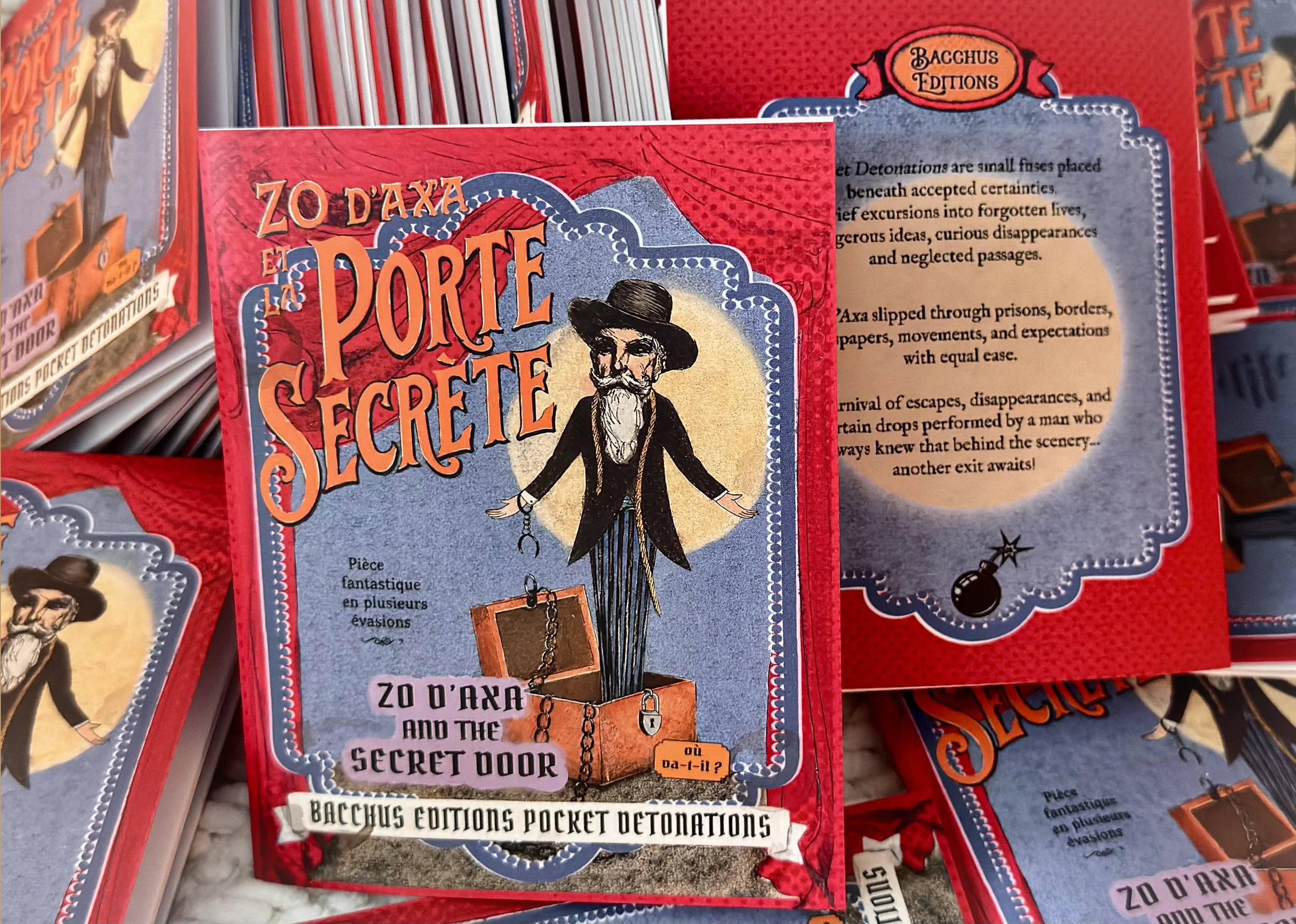
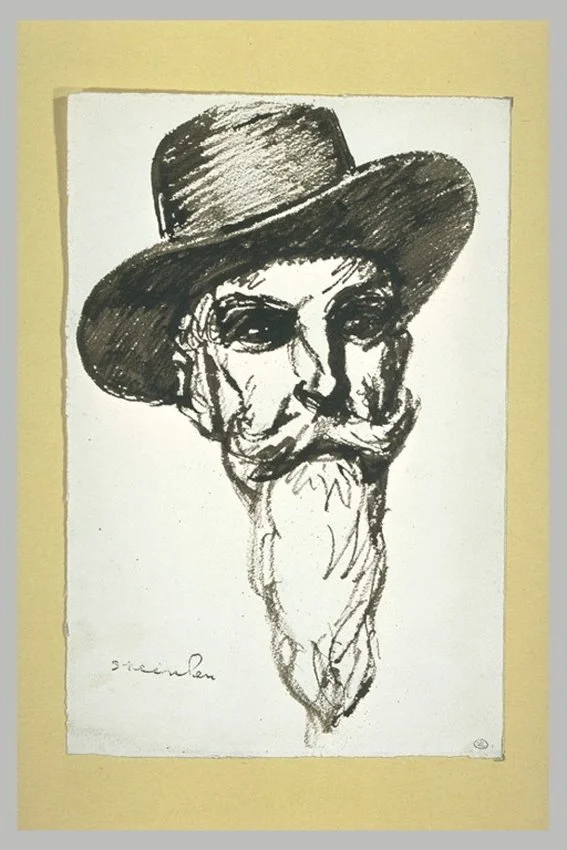
Bacchus Editions is presently undertaking the complete recovery and translation of the writings of Zo d’Axa through the forthcoming volume Zo d’Axa: The Complete Writings: Journalism, Vagabondage, Revolt, et Theatrical Insurrection alongside the English edition of Béatrice Arnac’s remarkable book devoted to her grandfather’s life and world, appearing through Bacchus Editions as Intimate Shadows: Béatrice Arnac on Zo d’Axa: A Rare Familial Portrait of the Fin-de-Siècle Vagabond.
Almost none of Zo d’Axa’s writings presently exist in English. Outside a handful of isolated texts, his work remains largely buried within the fragmented landscape of French fin-de-siècle print culture. Much gratitude is due here to Jean Weir, who first placed copies of Zo d’Axa and Georges Darien into Wolfi Landstreicher’s hands outside Paris, setting in motion the earliest efforts to recover portions of Zo’s writings for English-speaking readers. To Wolfi as well belongs enduring appreciation for undertaking those first translations and opening a path that, however partial, made Zo’s voice audible beyond the French language. Even so, the picture English-language readers have inherited of Zo d’Axa remains radically incomplete: reduced to scattered fragments, detached polemics, et isolated quotations rather than the full continuity, atmosphere, theatricality, contradiction, and intellectual force of the work taken as a whole.
This undertaking moves far beyond a simple anthology or bibliography. The aim is the translation and restoration of the entirety of Zo d’Axa’s writings not yet available in English: journalism, pamphlets, caricatures, prison writings, chronicles, fugitive publications, et the broader atmosphere surrounding L’Endehors, La Feuille, anti-militarist agitation, boulevard satire, theatrical scandal, vagabondage, exile, and anarchist print culture at the end of the nineteenth century.
Taken together, these writings reveal one of the most singular and elusive voices of the fin de siècle, occupying a volatile terrain between anarchist journalism, Decadence, Symbolism, proto-Dada, cabaret culture, egoist individualism, et anti-colonial critique without belonging fully to any of them.
Alongside these translations, Bacchus Editions is preparing the English edition of Béatrice Arnac’s book on Zo d’Axa, offering a rare familial portrait emerging from within his own orbit rather than through academic or ideological reduction.
The dedicated archival portal following the ongoing Zo d’Axa and Béatrice Arnac projects, including translation progress, publication timelines, archival discoveries, rare materials, et future releases, can be entered here.
Arnac also appears within the separate forthcoming Bacchus Editions volume The Criminal Grace of Dancing: The Performing Body Through Nietzsche, Mallarmé, Artaud, and Genet(featuring Isadora Duncan, Valeska Gert, Loïe Fuller, Béatrice Arnac, and Lavinia Schulz) with further updates on that project appearing through the updates blog as production nears completion..
ALFREDO M. BONANNO
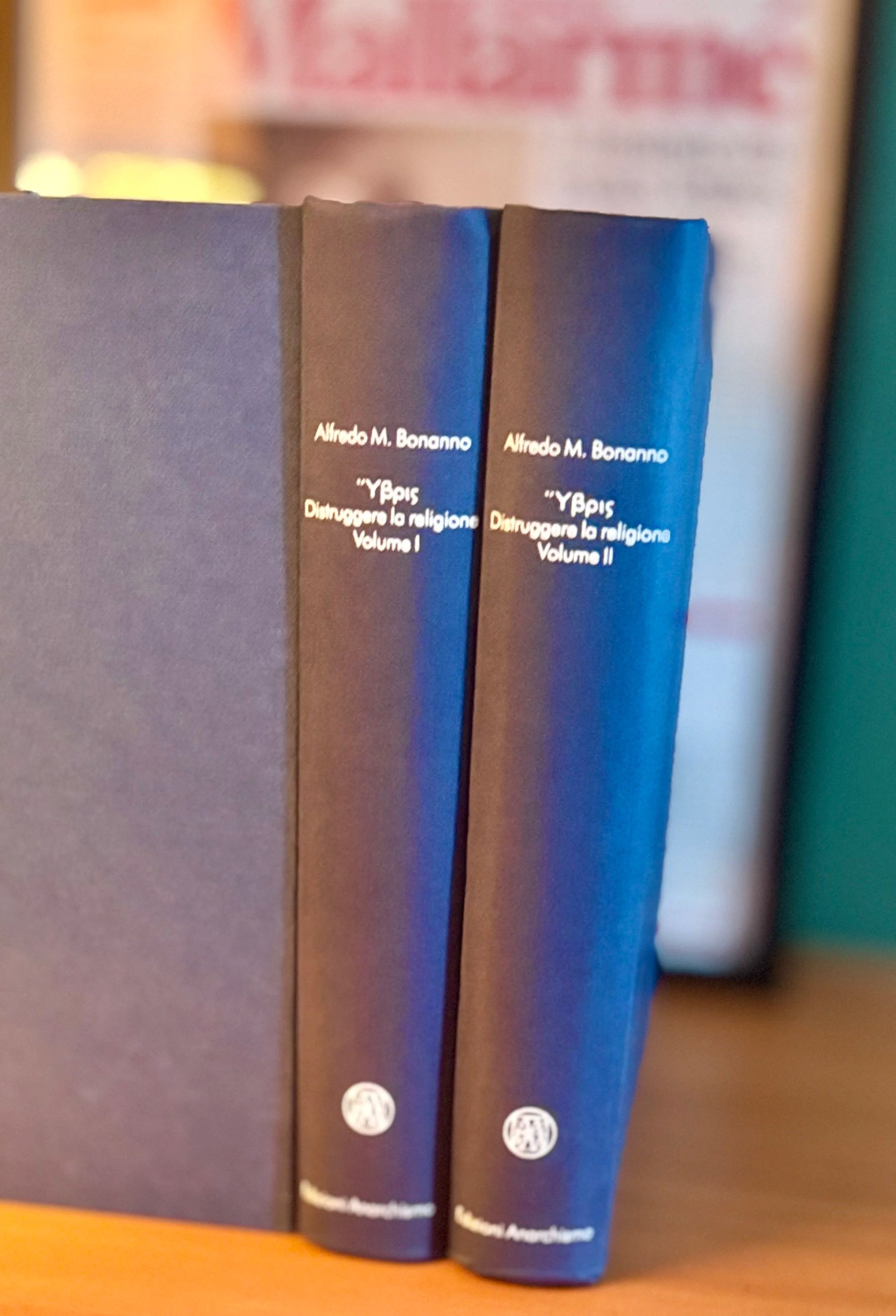
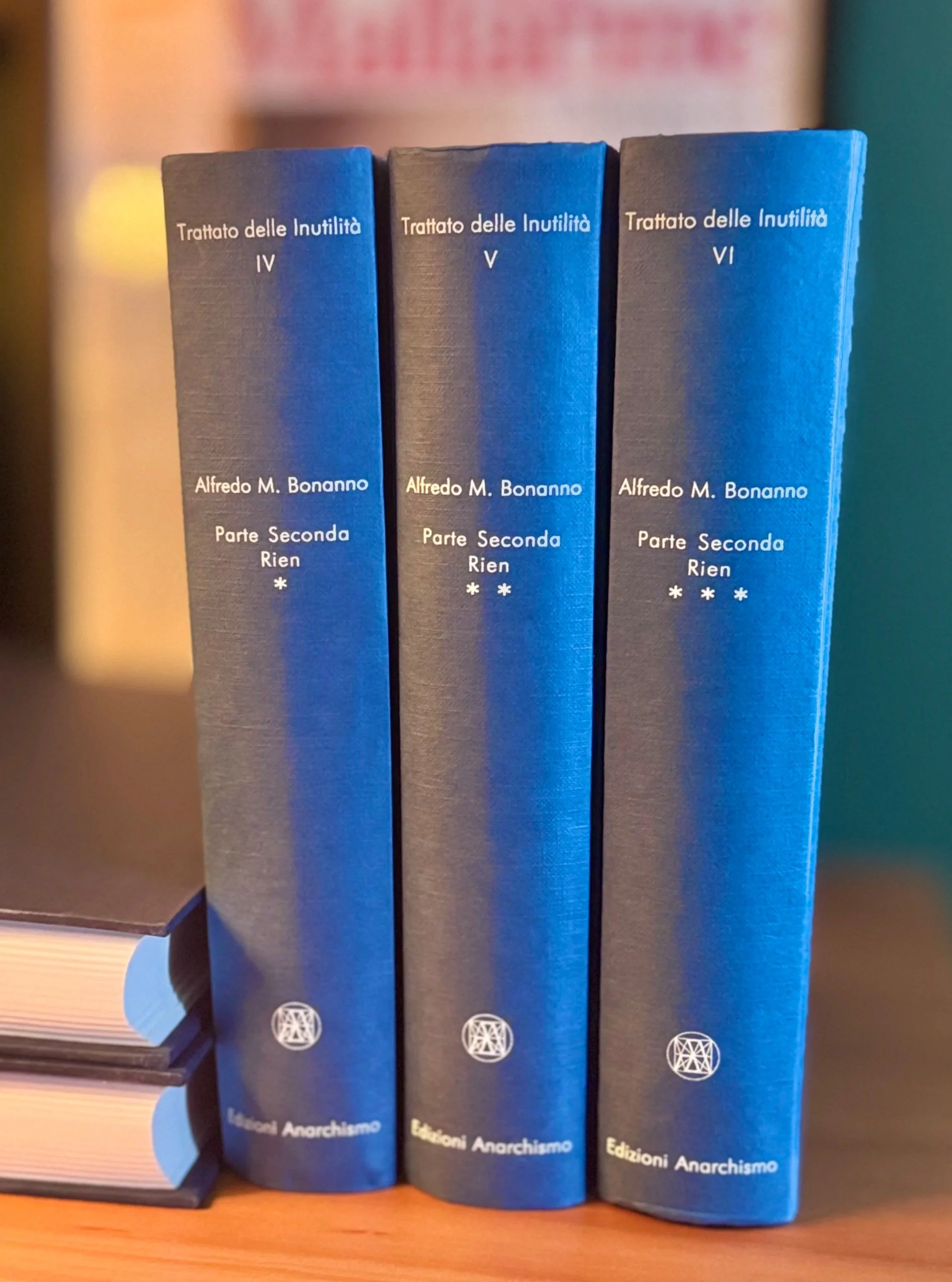
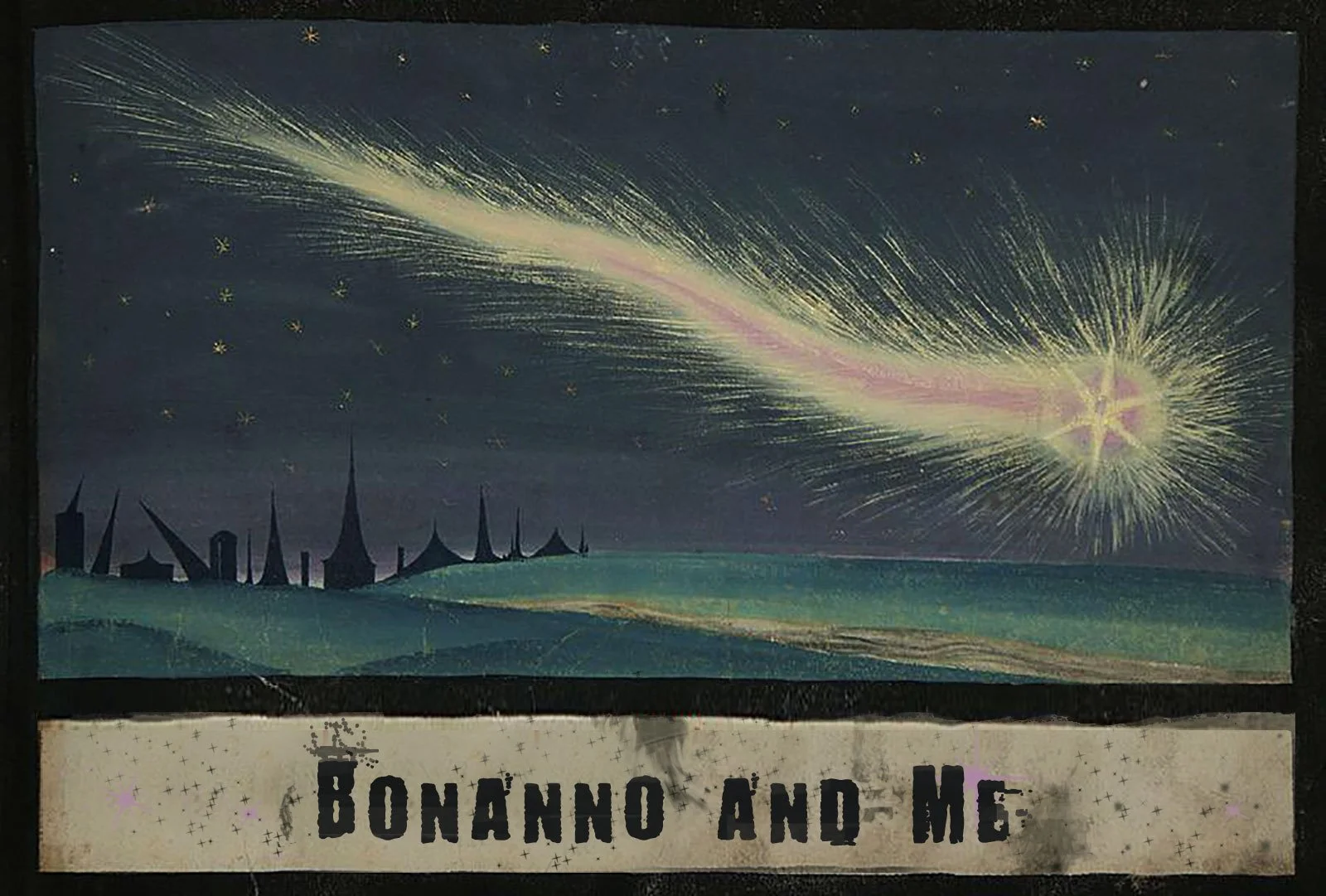
At present, one of the most consuming translations underway is the translation of two major bodies of writing by Alfredo M. Bonanno. Trattato delle Inutilità. Parte prima: Jamais (Treatise on Uselessness. Part One: Never), (three volumes, nearly two thousand pages!) and Hybris. Distruggere la religione (Hubris. Destroy Religion), which is two volumes, over a thousand pages.
These are not projects that yield quickly. They resist pace, and demand a closeness to language that borders on obsession.
Bonanno writes with density, precision, and force. Italian carries a compression and velocity that resists expansion. Translation becomes a question of pressure, of preserving cadence and weight across languages without smoothing the line. This work unfolds slowly, shaped by long familiarity with his writing and the conditions from which it emerges.
Click HERE to follow Trattato delle Inutilità. Parte prima: Jamais (Treatise on Uselessness. Part One: Never) and Hybris. Distruggere la religione (Hubris. Destroy Religion). A dedicated page will gather excerpts, fragments, and notes from the translation as it unfolds.
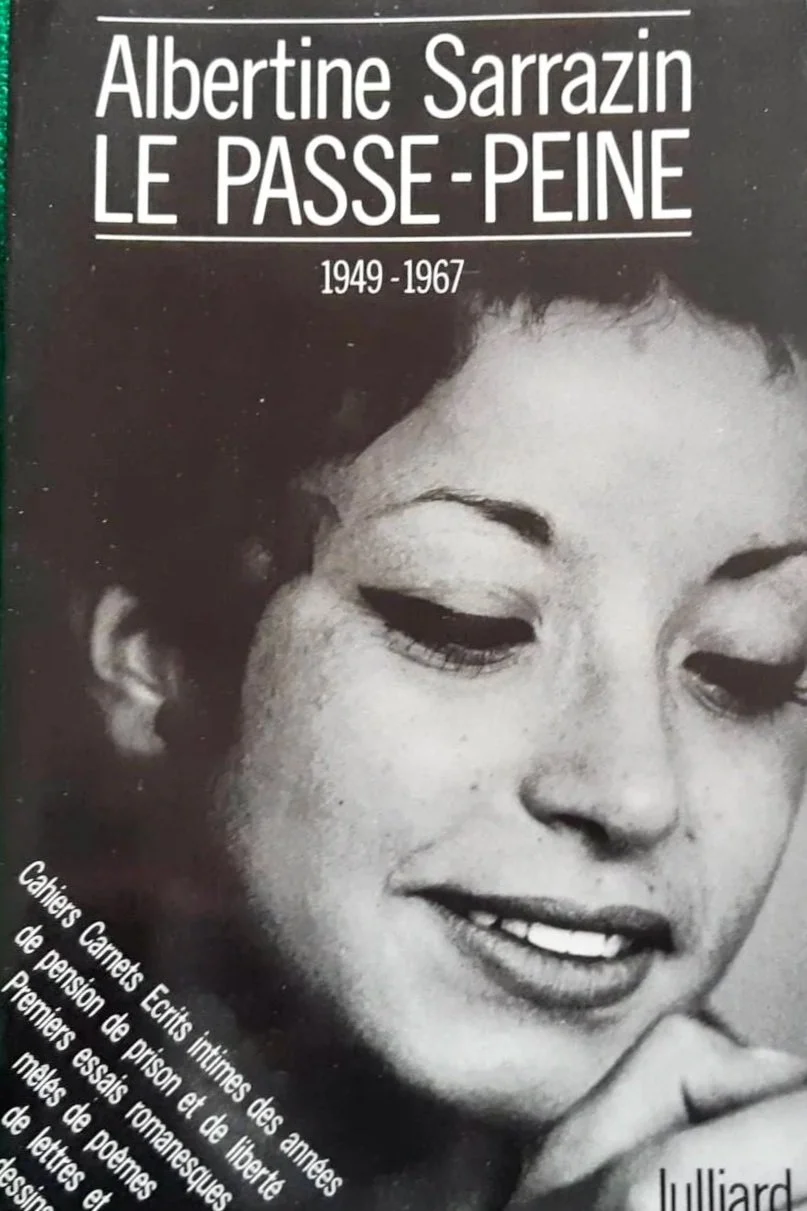
Albertine Sarrazin
~ Journal de Fresnes
Journal de Fresnes gathers Albertine Sarrazin’s prison writings. Her voice held close to the body, to sensation, and the quiet persistence of thought. She writes from within her life without distance, never softening, with a clarity that remains exact under pressure. Her dry wit passes through at moments, light but unmistakable.
To carry her into English requires restraint, of all things. French holds her with a particular compression, a sharpness that resists expansion. English pulls toward explanation, toward resolution. So translating her is to hold that line, to let the sentence remain where it stands, even when the language asks for much more.
This translation is moving along quickly, as it’s shaped by a long familiarity with her voice, the French, and the conditions from which it emerged.
Click HERE to follow Journal de Fresnes. Excerpts, fragments and translation tales will accumulate there over time.
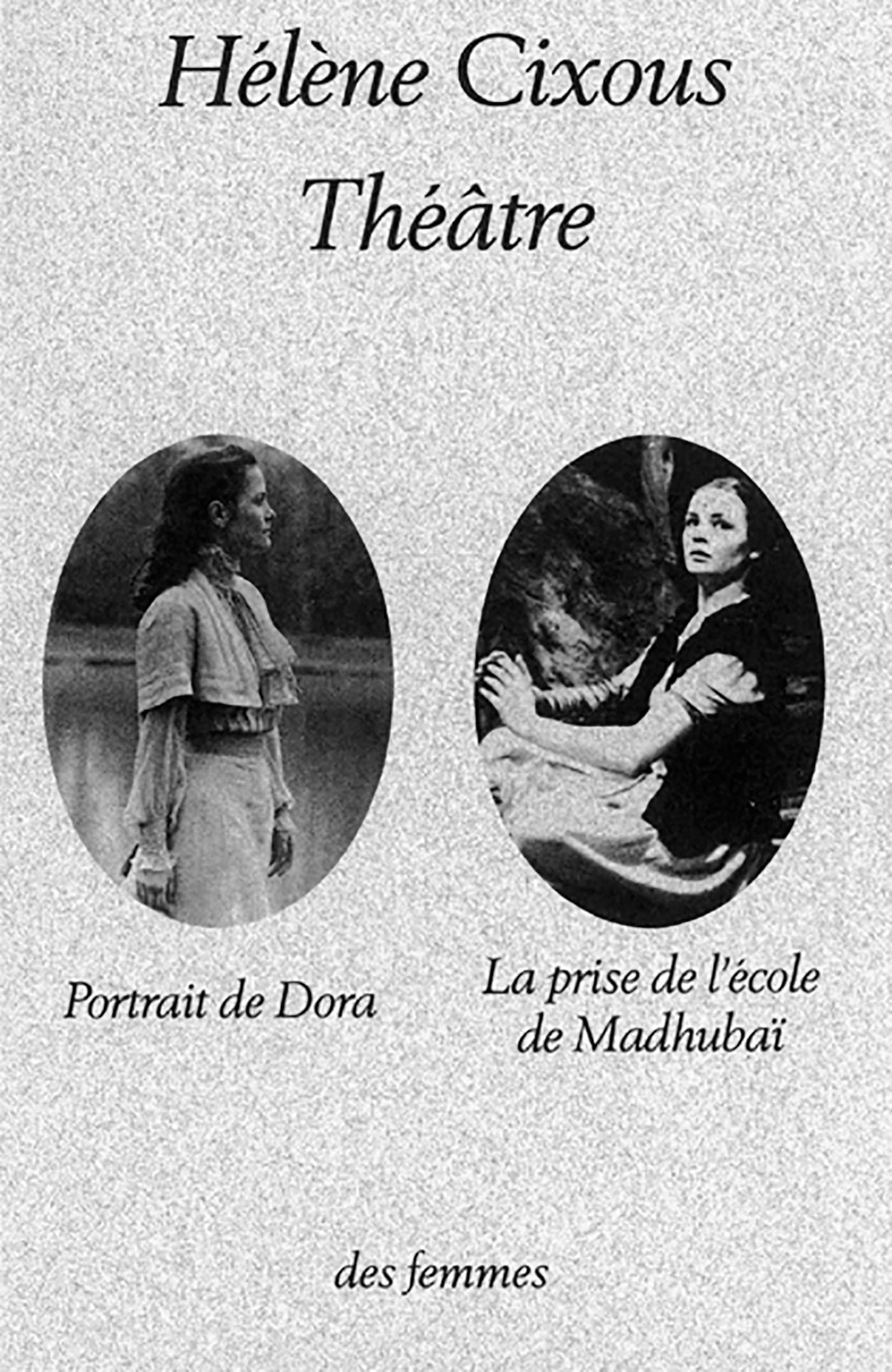
Hélène Cixous
Portrait de Dora and La prise de l’école de Madhubaï two plays by Hélène Cixous, are gathered here, where theatre, psychoanalysis, and myth begin to loosen from fixed form. In Portrait de Dora, Cixous returns to Freud’s patient and releases her from interpretation. Dora speaks outside analysis, her voice moving, slipping, never settling into resolution. In La prise de l’école de Madhubaï, that movement widens into language and institution, where education itself becomes a site of imposition, shaping voice, identity, and thought. Across both, something persists, a recurrence rather than a narrative. Sakuntala, Dora, a figure misread, spoken over, returning again and again, in another form, never fully captured.
Hélène Cixous has written over seventy books across fiction, theatre, essays, and philosophy. Only a fraction of her work exists in English translation, and almost always in partial or academic editions. Her theatre in particular remains scattered. What reaches English readers tends to falsely stabilize what in Cixous remained in motion. Much of her theatre has yet to circulate in a way that preserves the full movement of her.
To translate her is to follow language already in motion. French carries her shifts, her fractures, her crossings between voice and body. English asks for ground. The work is to remain with that movement without arresting it, au plus près du glissement.
Click HERE to follow Portrait de Dora and La prise de l’école de Madhubaï. As the site fills, the dedicated page for Cixous translations will share excerpts, fragments, and notes from the translation as it unfolds.
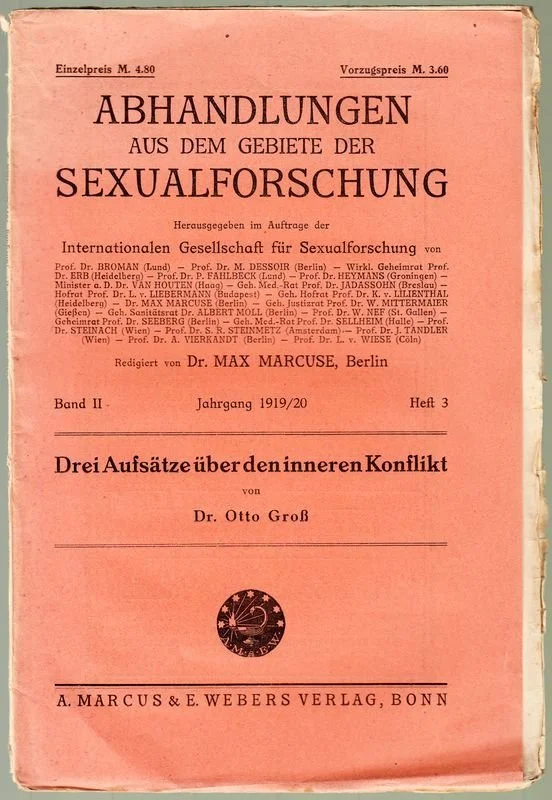
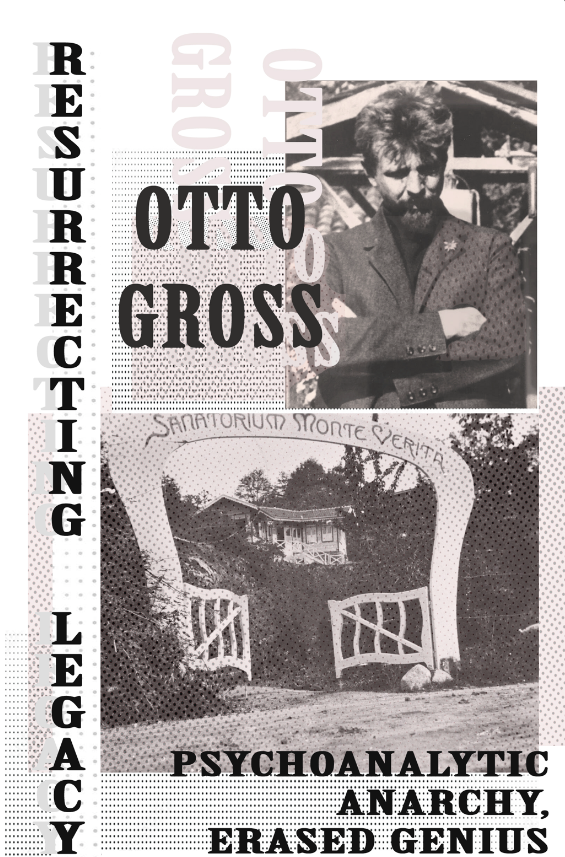
Otto Gross
Writings on Conflict, Relation, and the Refusal of Form
This translation project gathers four writings by Otto Gross, drawn from early publications in Die Aktion and Die Freie Straße, along with the 1920 volume Drei Aufsätze über den inneren Konflikt. Included here are Die Einwirkung der Allgemeinheit auf das Individuum, Notiz über Beziehungen, Vom Konflikt des Eigenen und Fremden, and the three-part innerer Konflikt essays, texts that move through relation, rupture, and the tension between the individual and the forces imposed upon it.
If you have read Distinctively Dionysian, you are already familiar with this series. Here, why Otto, and why these writings in particular? Gross is most often encountered indirectly, through biography, interpretation, or curated excerpts. His own writing remains scattered, only partially translated, and largely unavailable as a coherent body of work. Even where translation exists, it is frequently shaped by academic framing that stabilizes what in his life and language remained unstable, redistributing his force into clarity, and turning his tension into explanation.
For us, this matters. Our translations do not emerge from the distance of academic adventure or analysis, but from within that lived refusal that does not separate thought from experience, or critique from position. To approach him through frameworks that seek to interpret, categorize, or resolve him is to alter the movement of his life and writing.
These texts do not exist in stable English or French forms. To return to them directly is to encounter a voice that moves otherwise, closer to rupture than explanation, closer to lived tension than to system. The work here is not to clarify, but to carry Otto Gross’ words as he intended, and follow the line of his thought as it breaks, turns, and resists. To remain with it, au plus près de la tension, without smoothing, without rescue.
Click HERE to follow the Otto Gross translations. A dedicated page will hold excerpts, fragments, and notes as we are well underway.
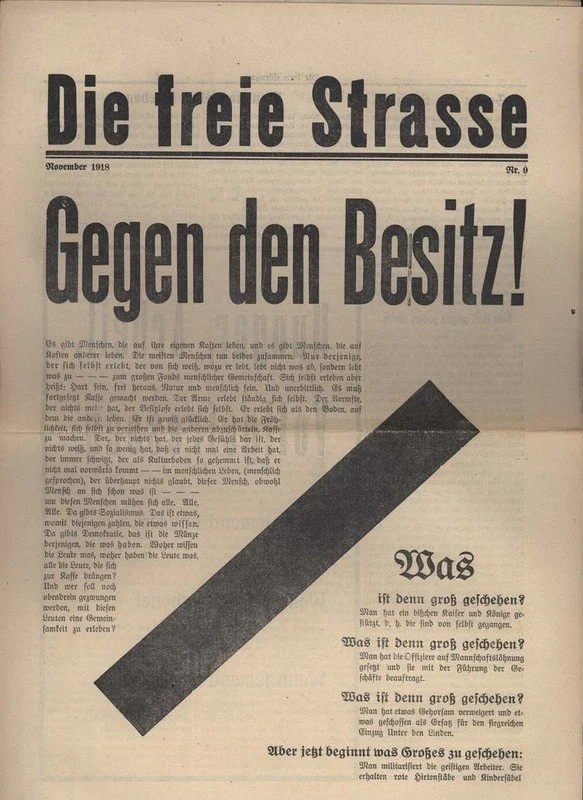
Salomo Friedlaender
Philosophical Writings
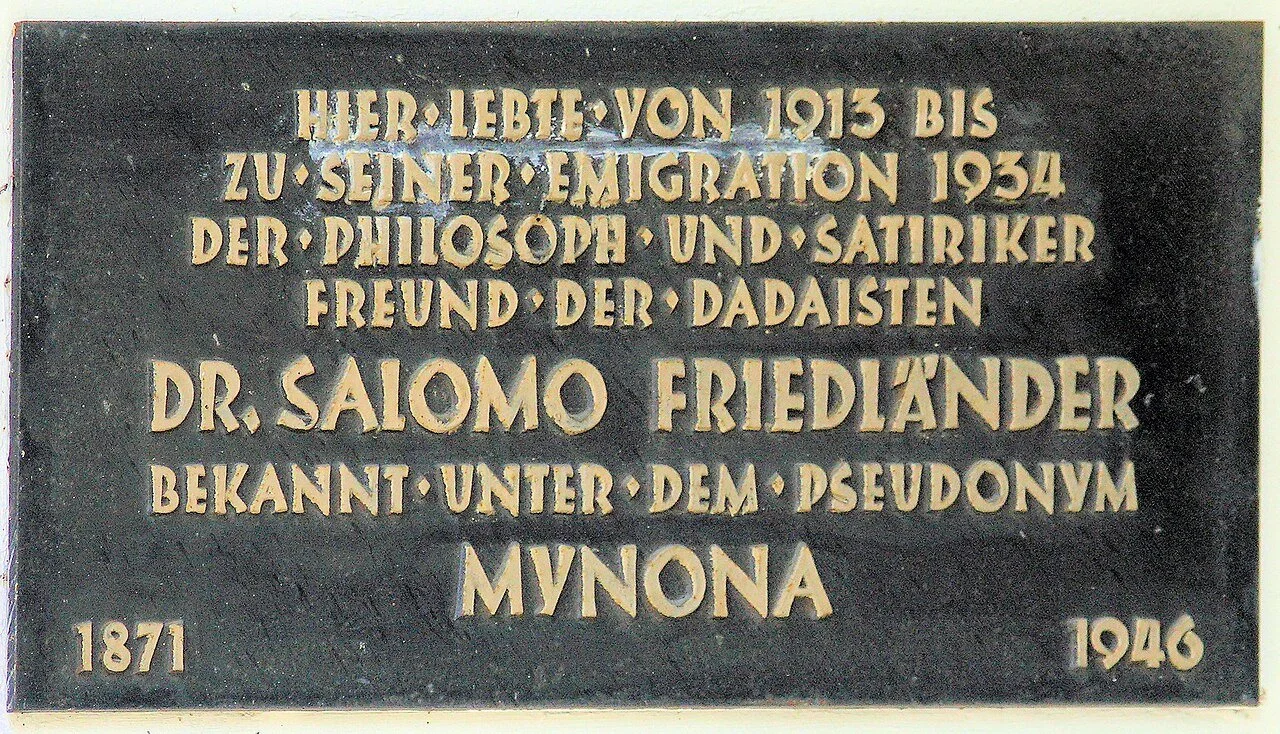
Salomo Friedlaender, who published literary work as Mynona, produced a body of writing that moves across philosophy, poetry, satire, grotesques, fiction, and aphoristic prose. The English situation is stronger than it once was. Wakefield Press has brought several of the Mynona grotesques and fabulist works into English, and a recent critical introduction offers selected translations across his range. What remains largely absent are the philosophical works themselves, in full.
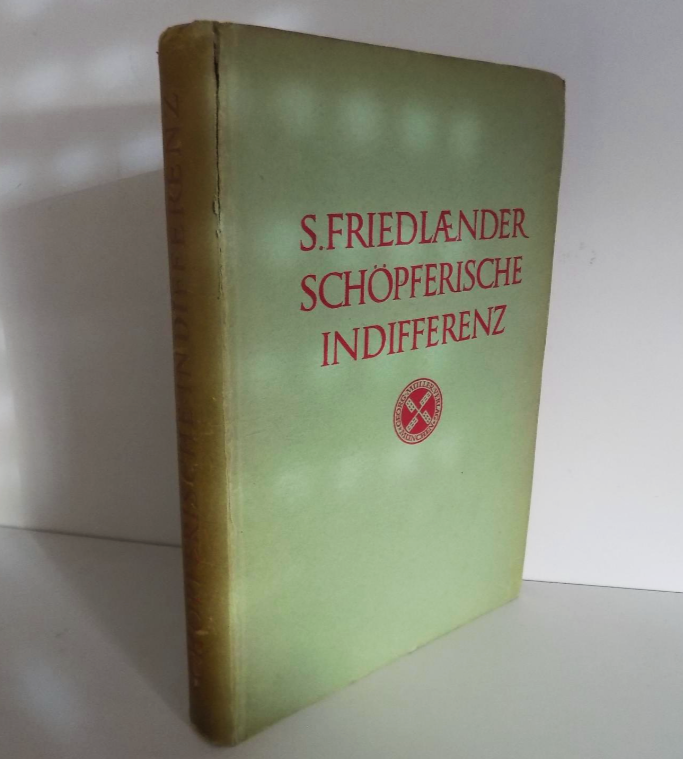
This Bacchus translation project turns toward Schöpferische Indifferenz, Das magische Ich, and Ideenmagie, texts in which Friedlaender’s thinking unfolds most directly through creative indifference, the instability of the self, and a mode of thought that resists both system and resolution.
Das magische Ich occupies a different position among these. Written during his later years in exile, it did not survive as a finished book but as a constellation of philosophical manuscripts, notebooks, and typed drafts. The form in which it circulates today was assembled posthumously from his literary estate. What appears under this title is not a closed work, but a field of thought in motion.
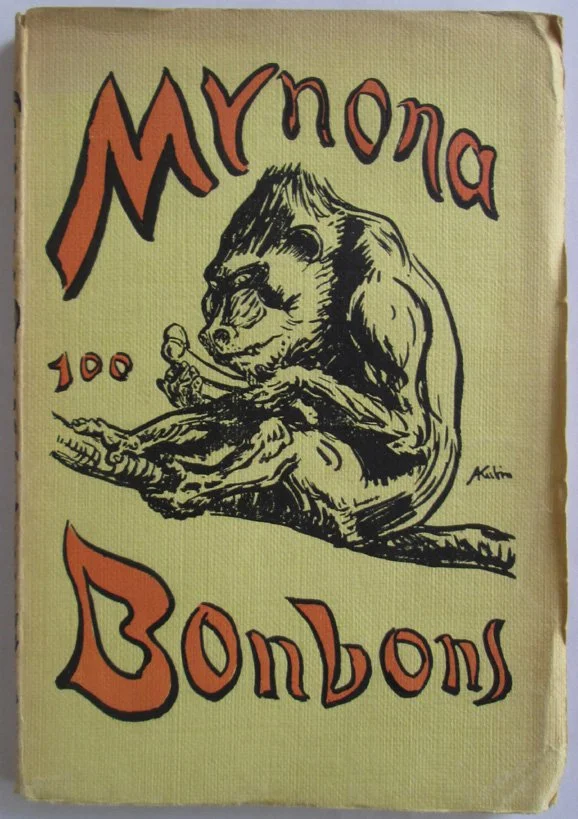
Alongside this, we are also translating Hundert Bonbons. Sonette (1918), a fully realized work published during his lifetime under the name Mynona. If the philosophical texts sustain tension, this one turns it sideways. One hundred sonnets that move through parody, satire, and something sharper underneath, inhabiting the form while quietly undoing it. The work has not been translated into French or English in full.
Across these writings, Friedlaender does not move toward philosophical clarity in any academic sense. His language works through tension, reversal, and conceptual play, losing force when stabilized or over-interpreted, as is often the case with academic translations. Approaching these texts from within a similar mental terrain, rather than through external framing, allows them to remain in motion.
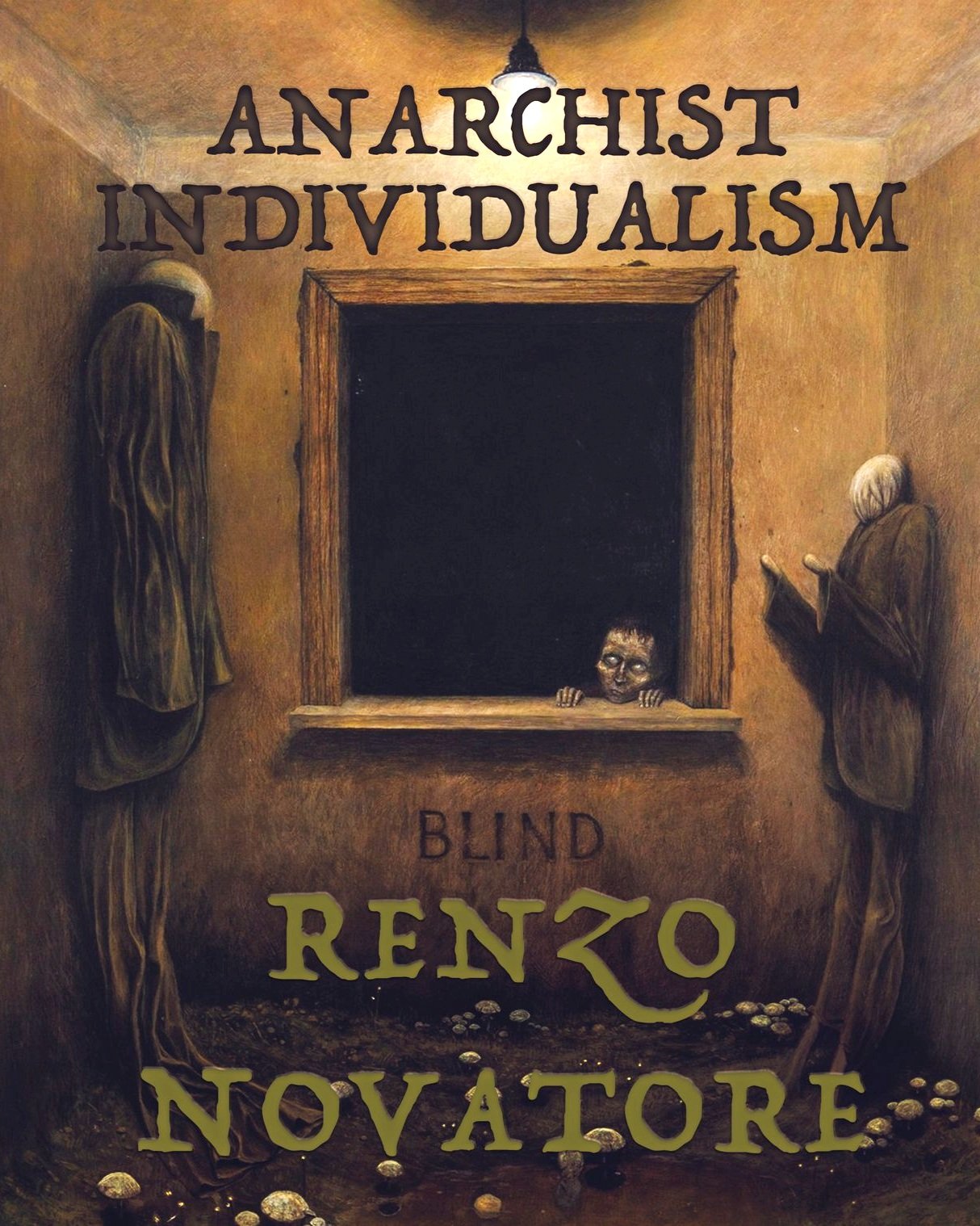
All of these writings appear in english only in fragments and excerpts, and remain largely unavailable en français. What circulates tends to present Friedlaender through selection rather than continuity, offering glimpses rather than the full movement of his thought. Our aim is to carry that movement across without reducing it, and preserving what he names as creative indifference, a position that resonates with the creative nothing found in Renzo Novatore, a connection explored in Distinctively Dionysian, where thought does not resolve into form but remains in active tension with it.
Click HERE to follow the Salomo Friedlaender translations. Excerpts, fragments, and translation notes will gather there as the site expands and the translation project continues.
Marie-Laure de Cazotte
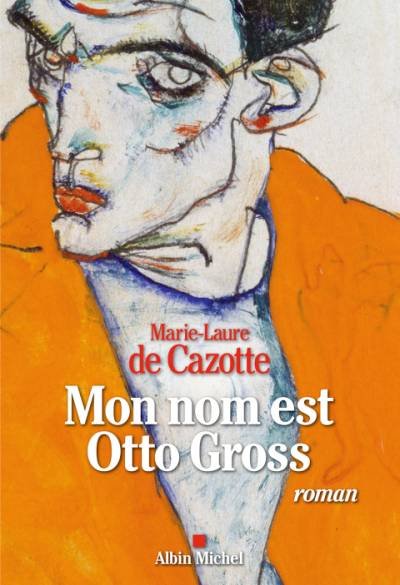
Mon Nom est Otto Gross
Mon nom est Otto Gross is a newer book published by Éditions Albin Michel that has not appeared in English. Our translation of it didn’t come from any grand need. It began simply; friends who do not read French wanted to read it.
Mon nom est Otto Gross is not a biography. It’s a novel written in the first person, speaking as Otto Gross. It isn’t entirely fiction. It’s well researched and draws from known parts of his life, including his conflicts with Freud and Jung, his institutionalization, his erasure, and his writing on inner conflict, without turning any of it into a stable narrative.
The entire book stays within confinement. ‘His’ voice moves between clarity and disorientation, never settling into a coherent account.
As it is purely a literary endeavor (vs historical record, psychoanalytical / academic text, anarchiste text, etc.) that moves between fact and fiction, our upcoming translation of it simply makes the text available for friends in English, as it is, without trying to resolve or explain it.
Should you wish to follow along, click HERE.
As the site expands (meaning we get more time to upload our progress and/or the completed works for all translation projects) the individual project pages linked in each blurb will be true gems along the way, especially handy for language lovers and translation nerds like us.
Archives / Reprints
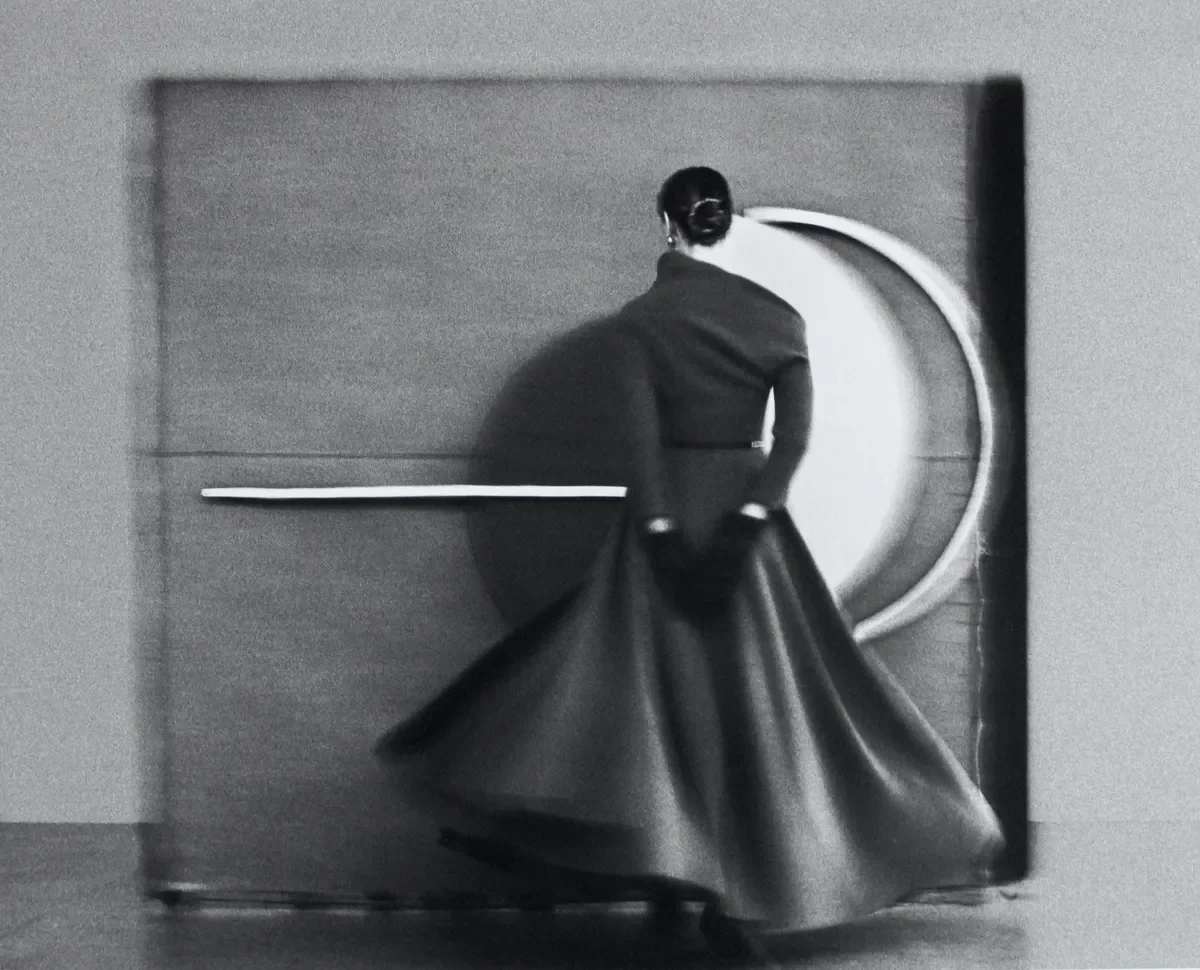
Alongside original books, journals, translations, and contemporary writings, Bacchus Editions occasionally republishes obscure, forgotten, out-of-print, or difficult-to-find materials moving through anarchist, avant-garde, egoïste, theatrical, poetic, et other underground histories.
These include facsimile reproductions, restored pamphlets, translated fragments, historic journals, neglected essays, ephemeral print matter, et texts that survived only through scattered archives, private collections, or deteriorating scans passed quietly between hands.
The interest here is not nostalgia, canon-building, or historical preservation as institution. Many of these works remain alive precisely because they still unsettle, seduce, provoke, or refuse the present order. Certain texts vanish from circulation not because they failed, but because they belonged to dangerous sensibilities that no longer fit comfortably inside the modern cultural machinery.
Some editions remain close to their original form. Others are carefully reformatted, newly translated, annotated, or reconstructed from damaged materials. Imperfections are sometimes preserved intentionally: stains, uneven type, aging paper textures, forgotten marginalia, printer anomalies, traces of previous readers. The physical life of a text matters.
As this section continues expanding we aim to upload those additional archives, rare materials, correspondences, and fugitive publications.
⸻ ✧ ⸻
Books, zines, digests, broadsheets, journals, archive editions, translations, art magazines, field guides, reprints, and other things we like to make.
BACCHUS EDITIONS is a fully independent, privately funded anarchist press moving between British Columbia, Seattle, and Astoria. Our main press outfit lives in its own cabin at the edge of the water in BC, with another of competing scale currently being filled out in Seattle.
We started our own printing journey with the risograph that brought you Enemy Combatant booklets (how we love you!). The riso is still here, but it has acquired a lot of company. Heidelbergs, cutters, binders, finishing equipment, and a growing collection of older, beautifully durable machines now fill the pressrooms. We like making books, and over time that has meant learning how to do more and more of the actual making ourselves.
The printing process matters enormously to us. Paper, ink, type, impression, folding, stitching, binding, trimming, covers, inserts, and all the tiny decisions that happen between a manuscript and the finished thing are part of the book. We print and finish as much as we can ourselves, and keep adding equipment as our ambitions get ahead of us.
Bacchus began with books written here, by the creator of the press. It has grown outward from there, and these days we are happily working our way through publishing the rest of the Bacchus crew, along with our friends and accomplices.
Our catalog has grown with us. We publish original writing, poetry, essays, translations, archival editions, historical journals and newspapers brought back into print, recovered texts, art magazines, practical field guides, pamphlets, broadsheets, and books that do not particularly care what shelf they belong on. Some begin here from scratch. Others begin with a century-old newspaper, an original document, a translation, a pile of research, or something somebody brings through the door.
Nobody outside Bacchus funds the press or decides what happens here. There are no grants, investors, institutions, or parent organizations behind it. This is simply ours, paid for and run by the people making the books.
Small runs still make us happy. So do increasingly ambitious ones. Out-of-stock books have a habit of returning when it suits them; limited editions do not. We trade and exchange with people and presses in affinity, slip things into orders for the pleasure of it, and regularly discover that one project has somehow become five.
Everything here is made in fun and with great care. That has been true since the first little riso booklet, and thankfully, despite all the additional machinery, it still is.
Psst. Speaking of fun...
We hold salons, readings, open houses, workshops, and other gatherings with the writers, artists, friends, and assorted misfits around Bacchus. Upcoming gatherings are announced in Events & Salons and Updates.
CURRENTLY PRINTING:


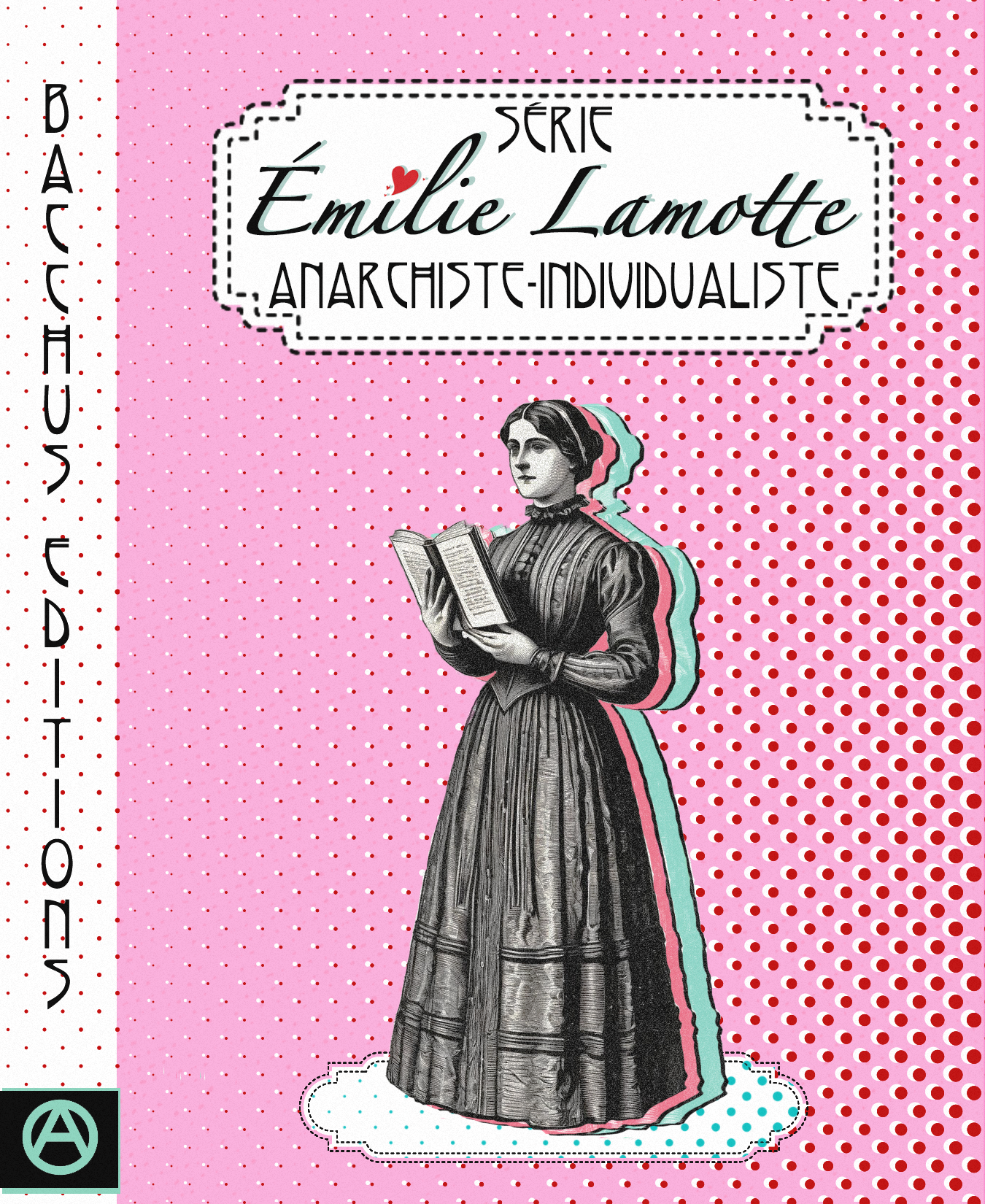

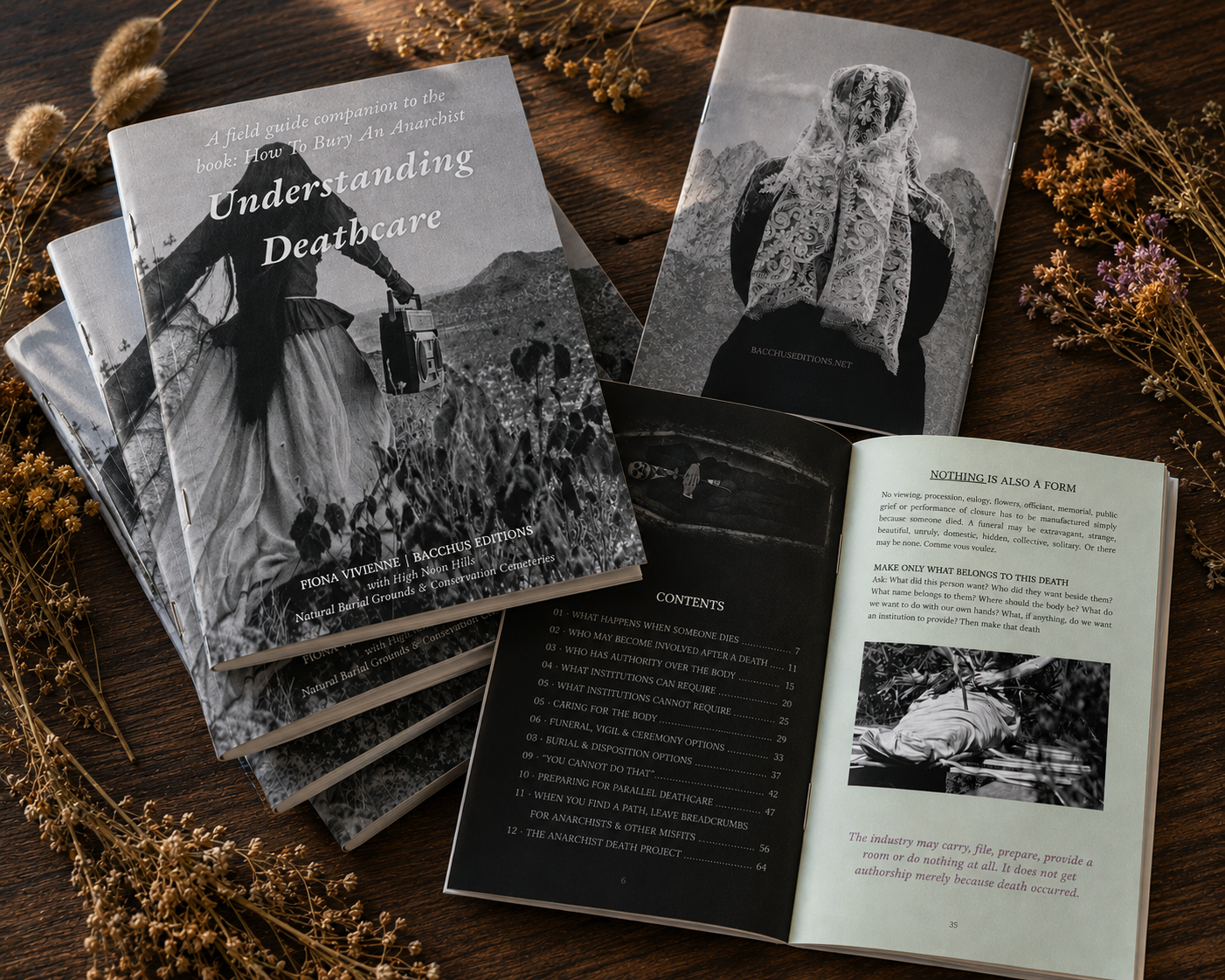
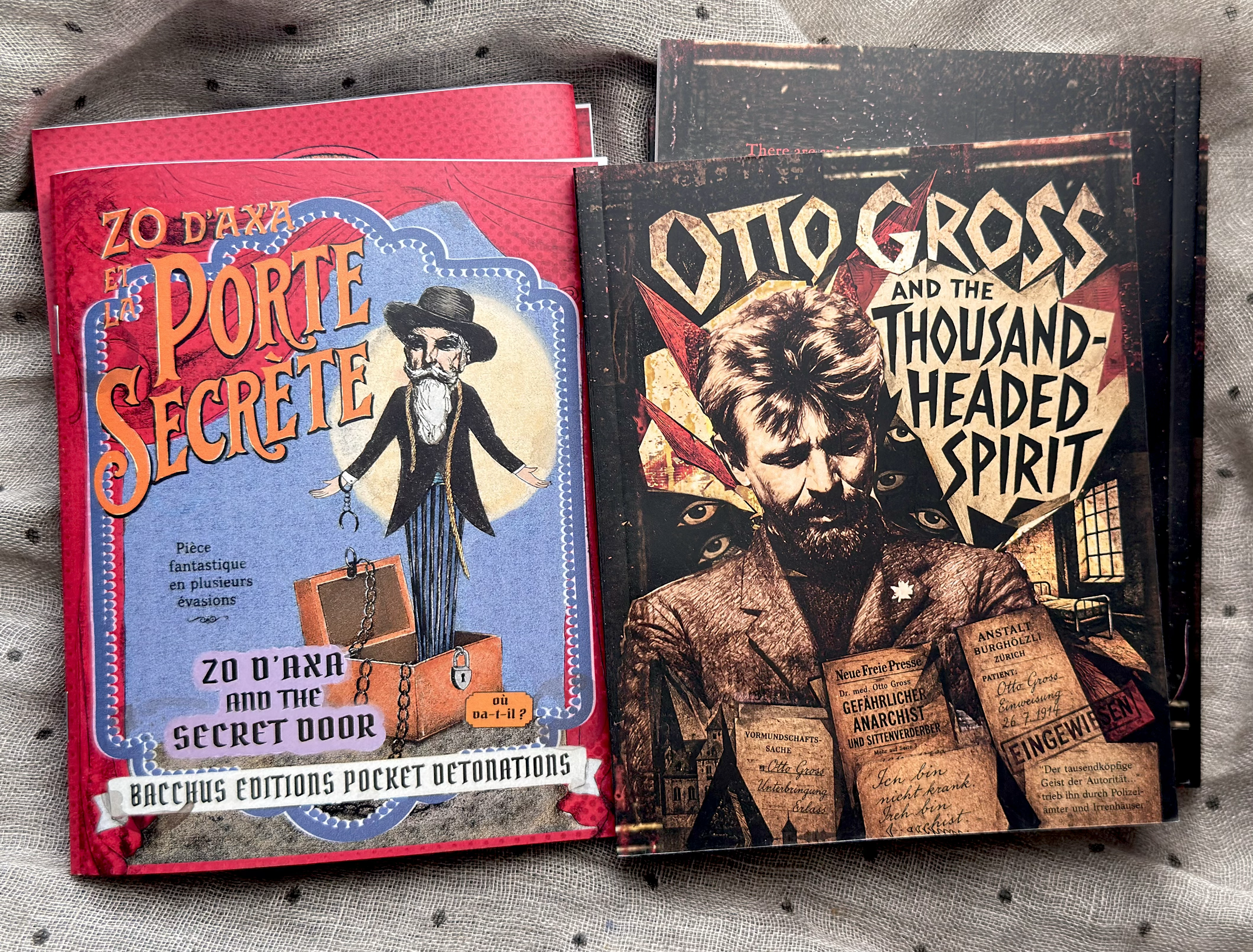
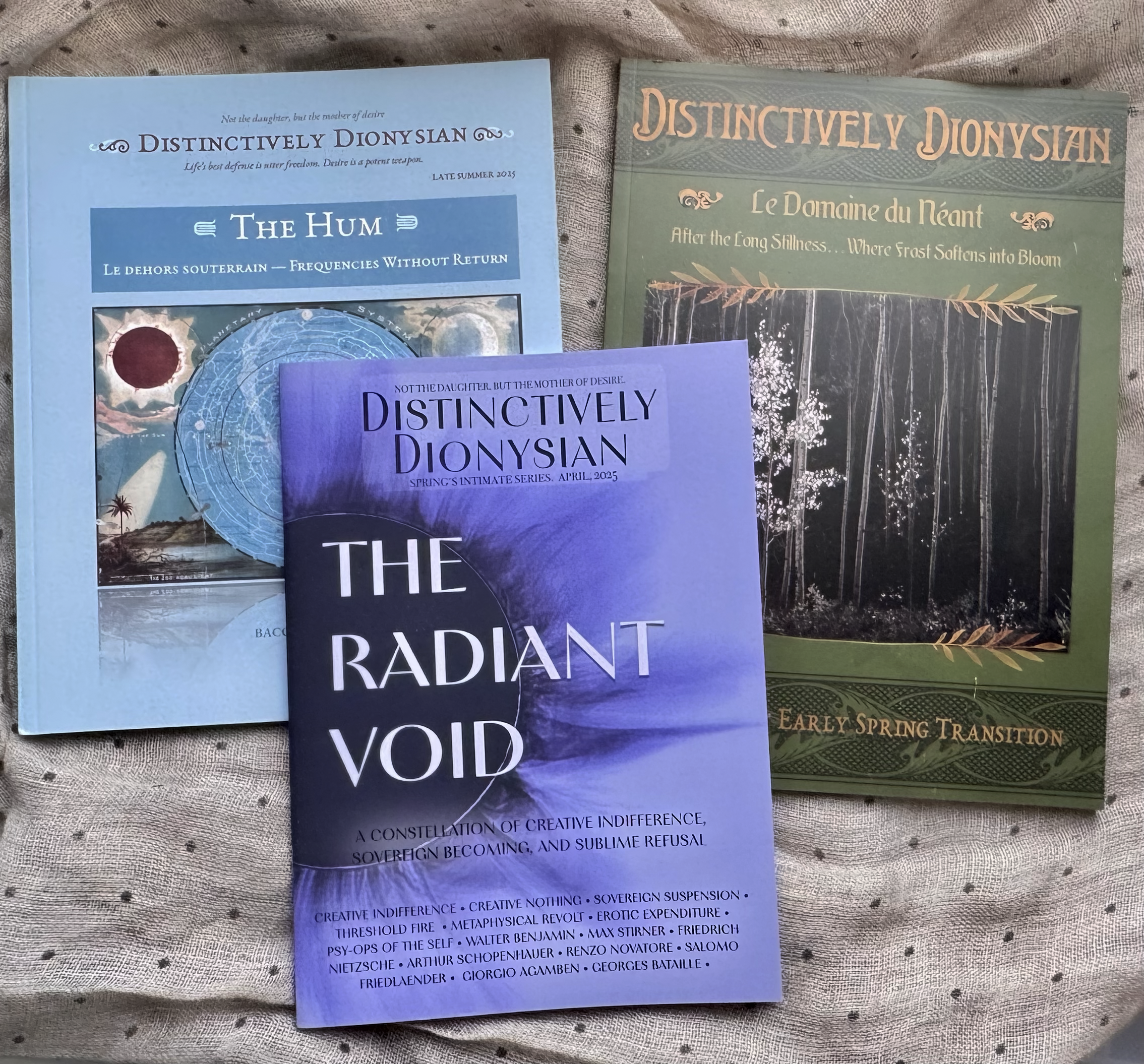
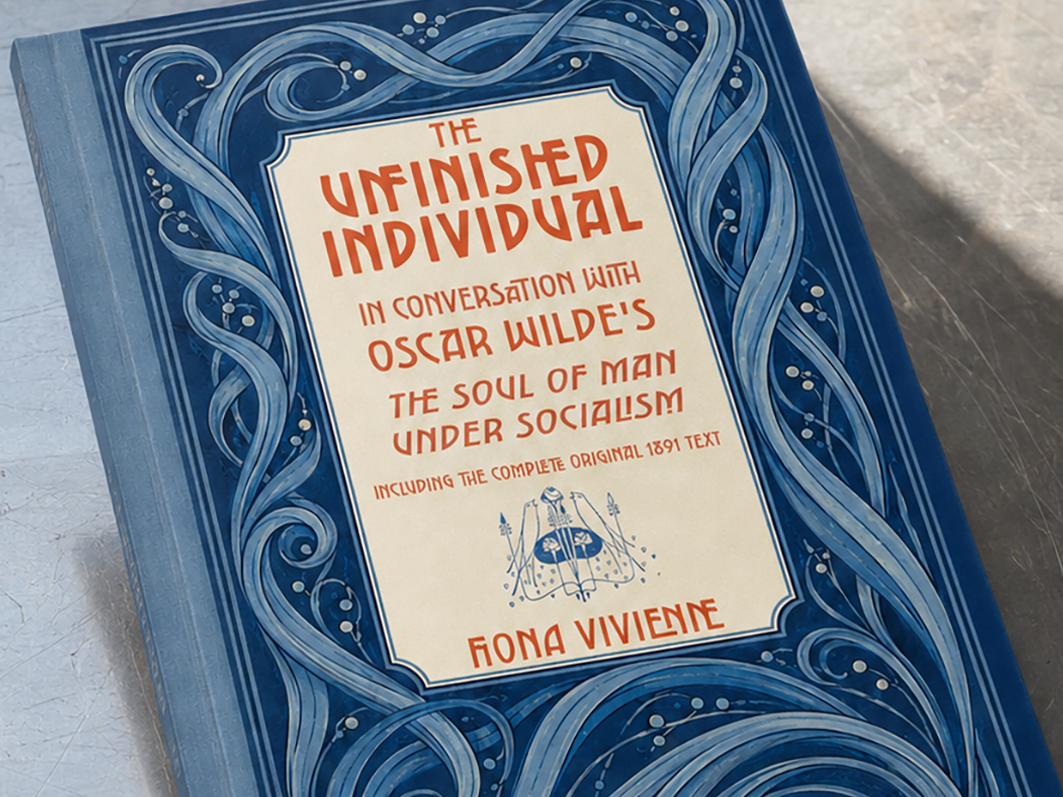
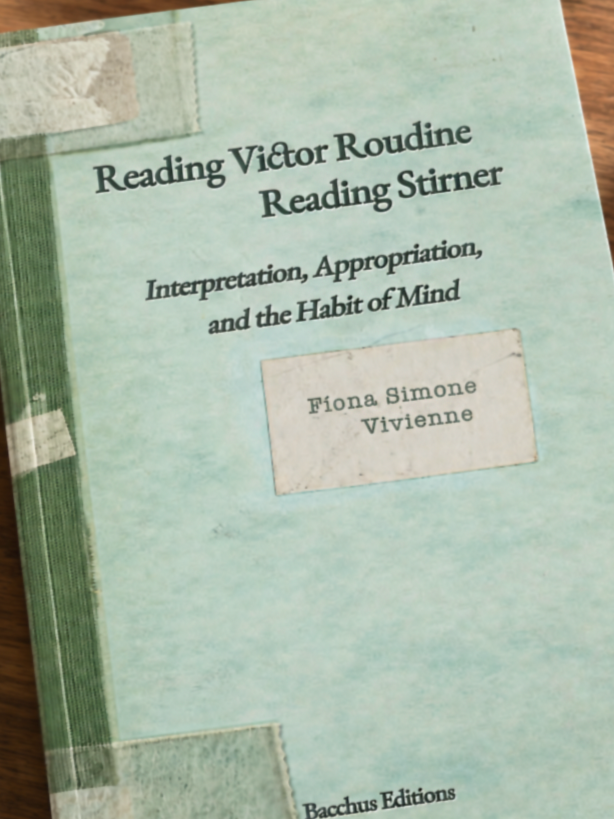
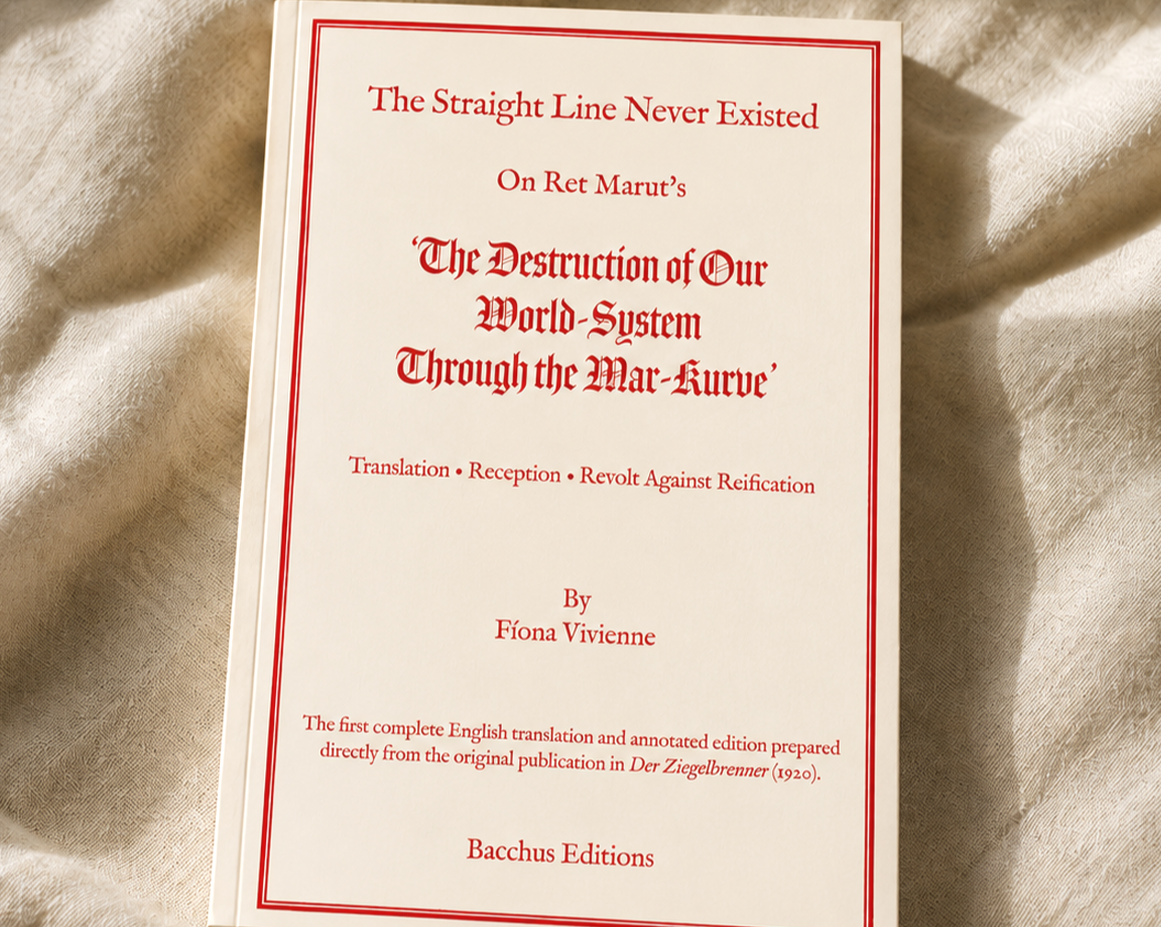
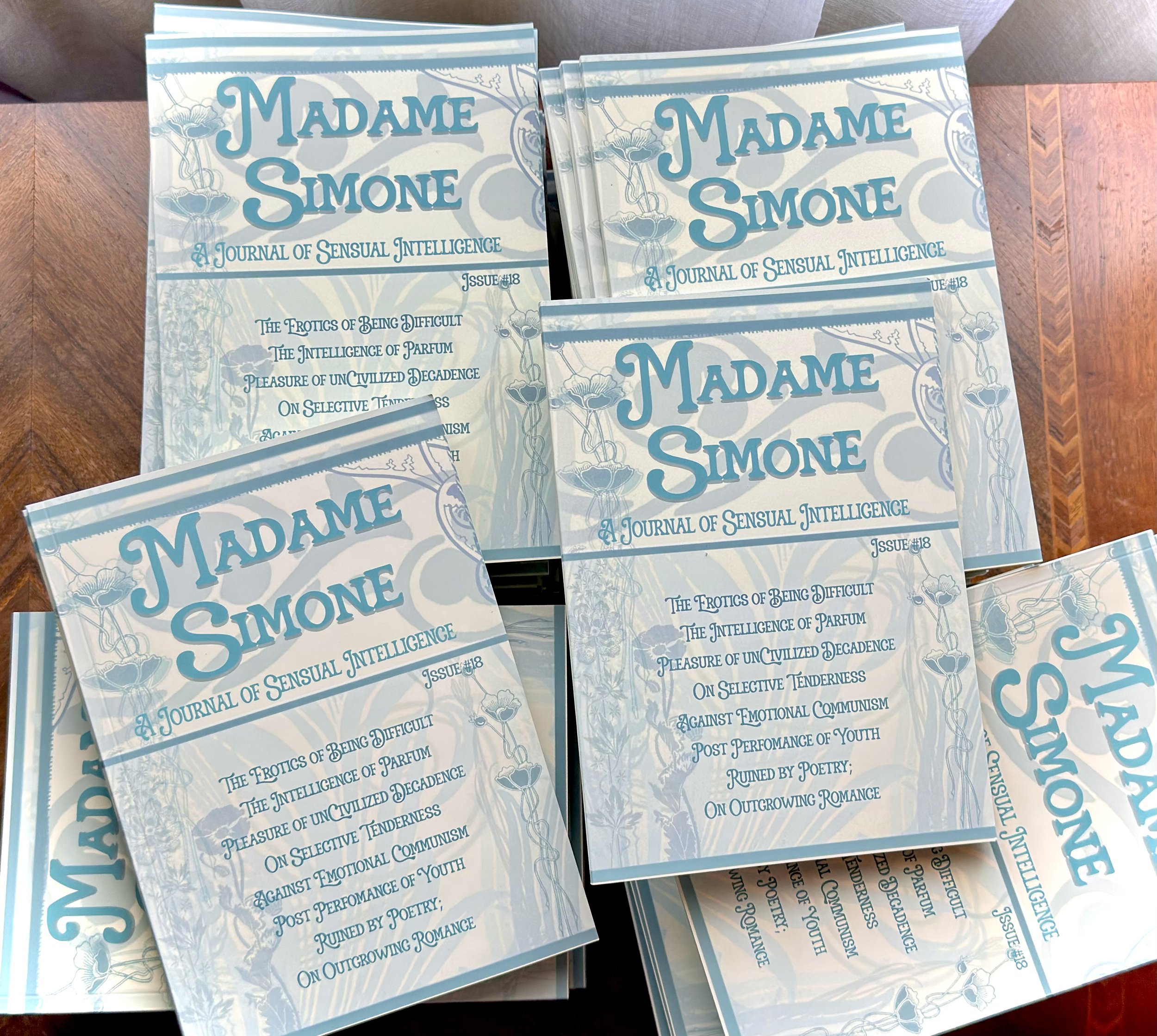

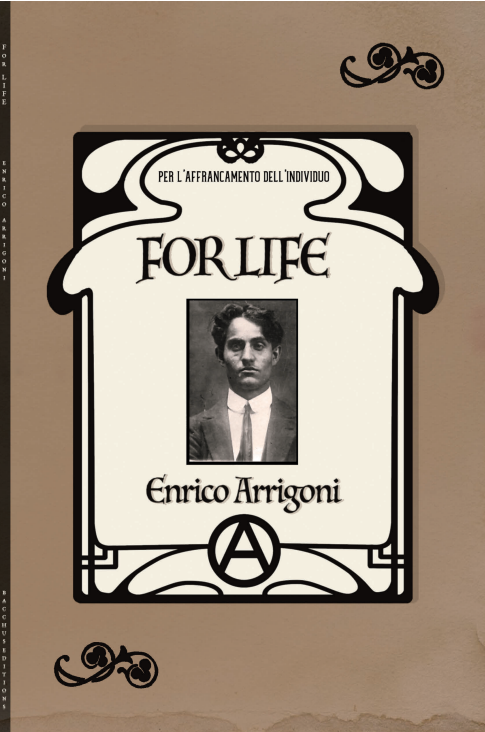
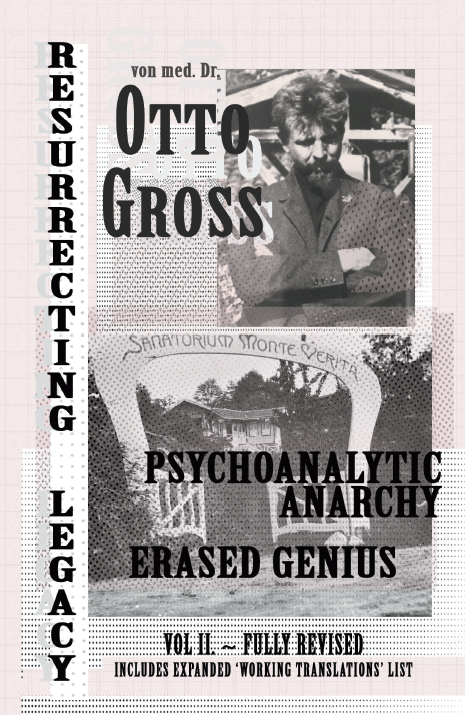
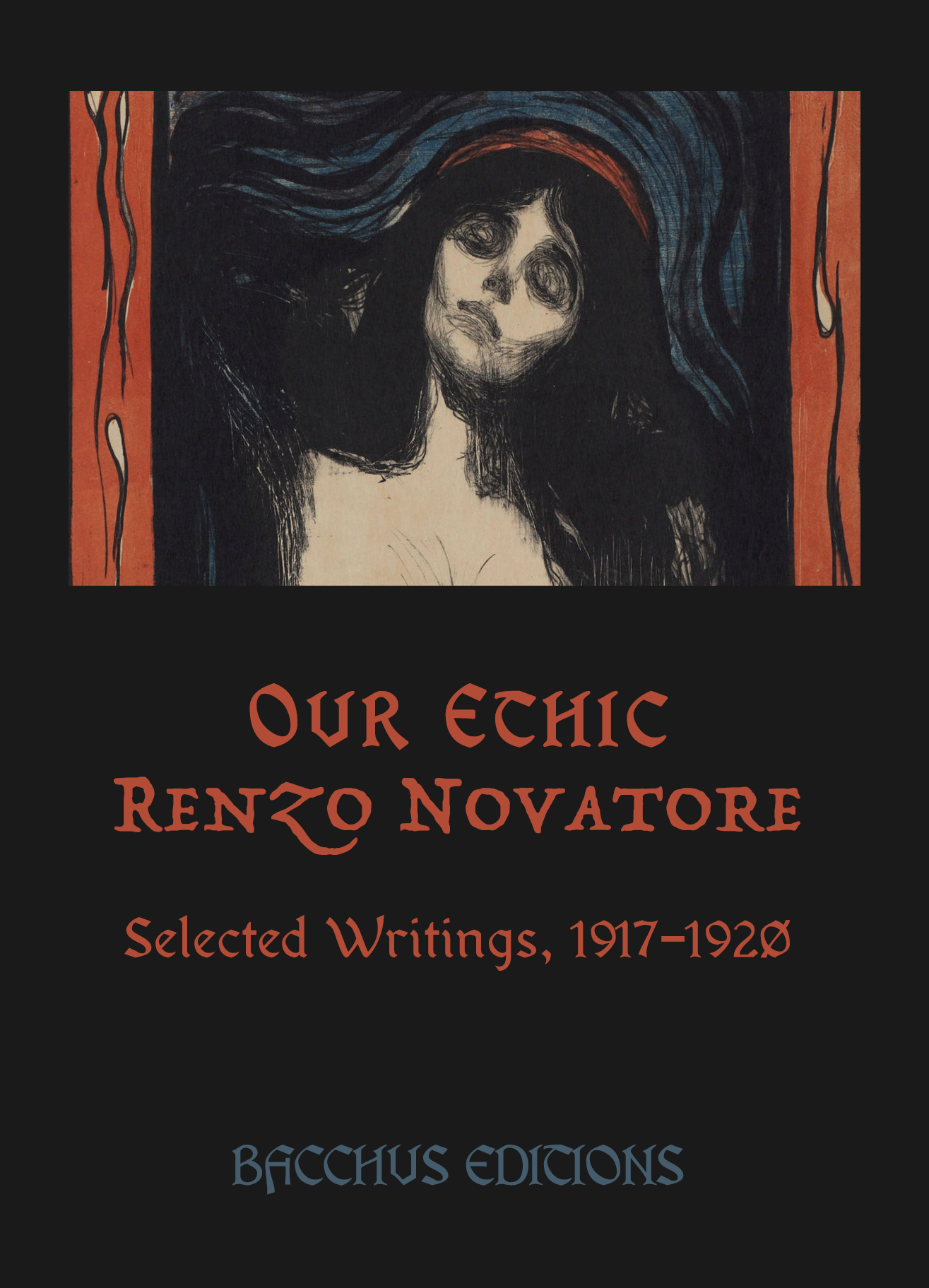
Distinctively Dionysian
⸻ ✧ ⸻
journal égoïste individualiste
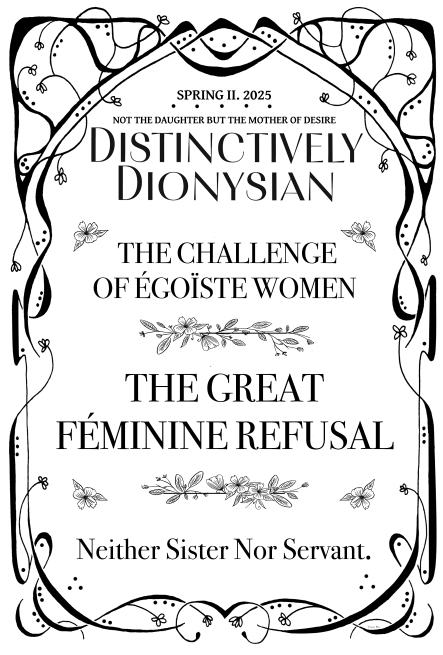
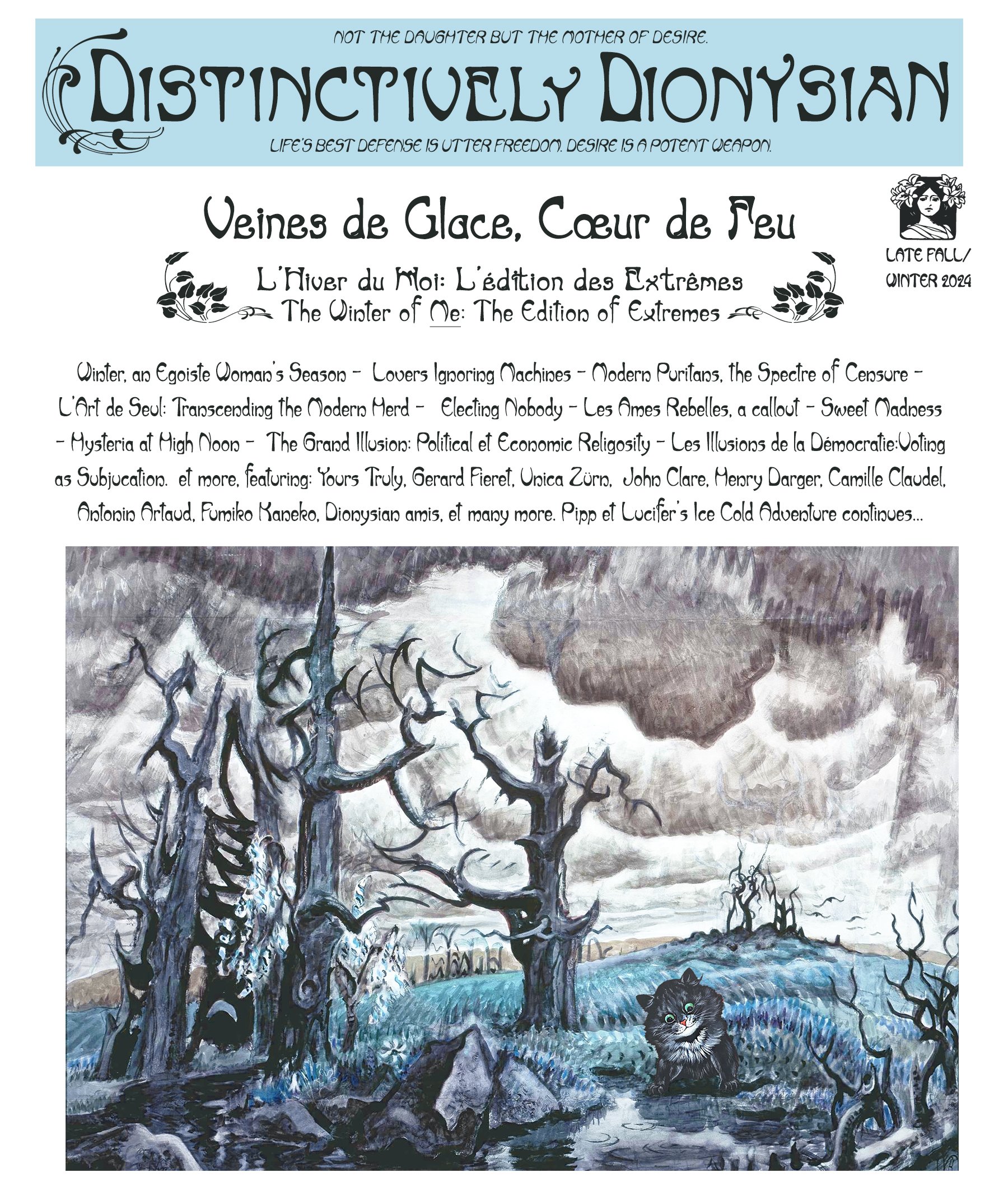
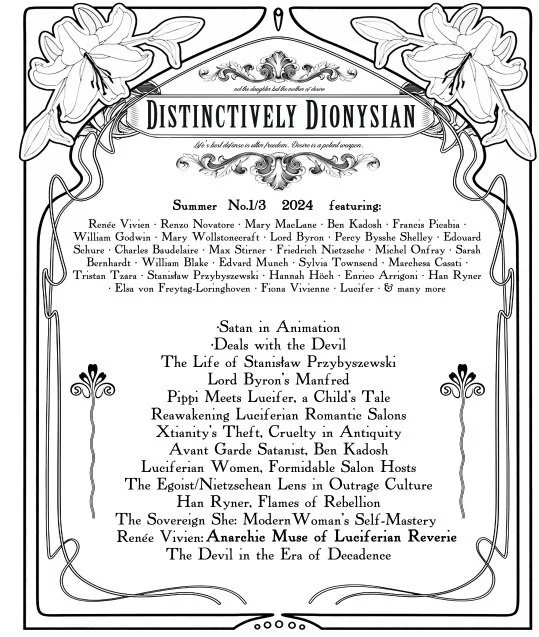
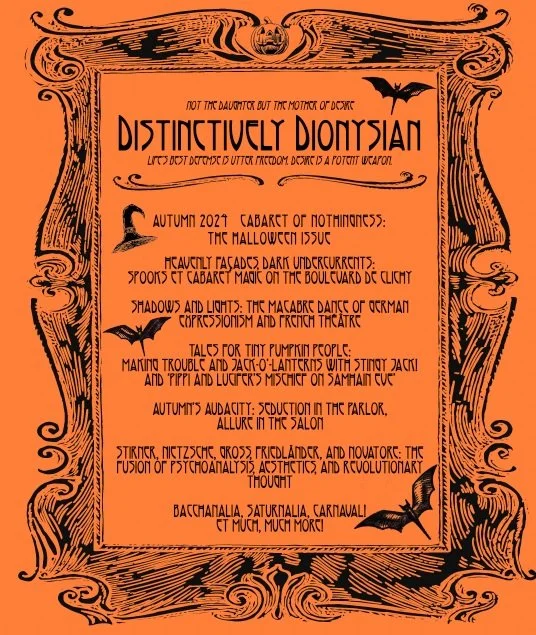
Heretics, free spirits, iconoclasts, outlaws, anarchistes, lovers with dark laughter… Bienvenue.
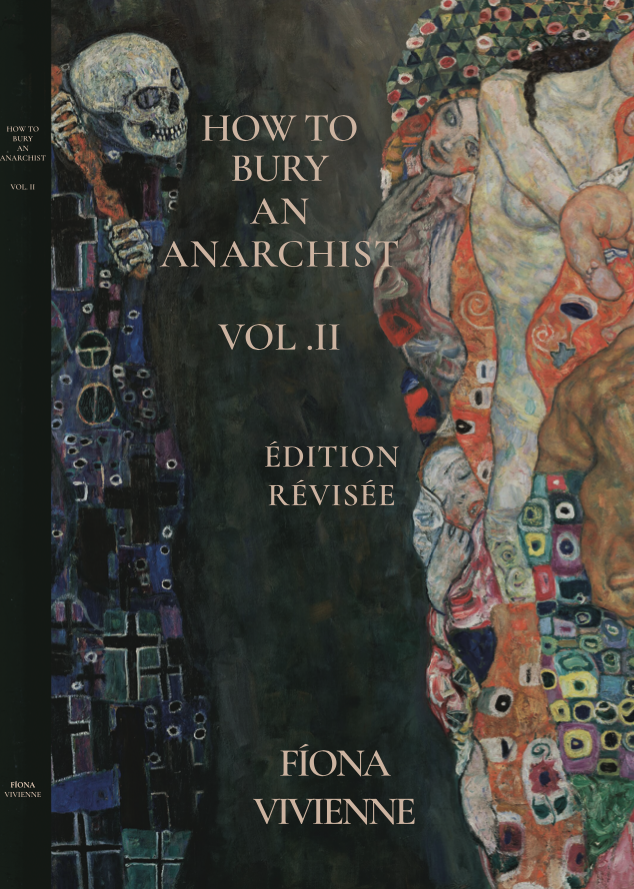
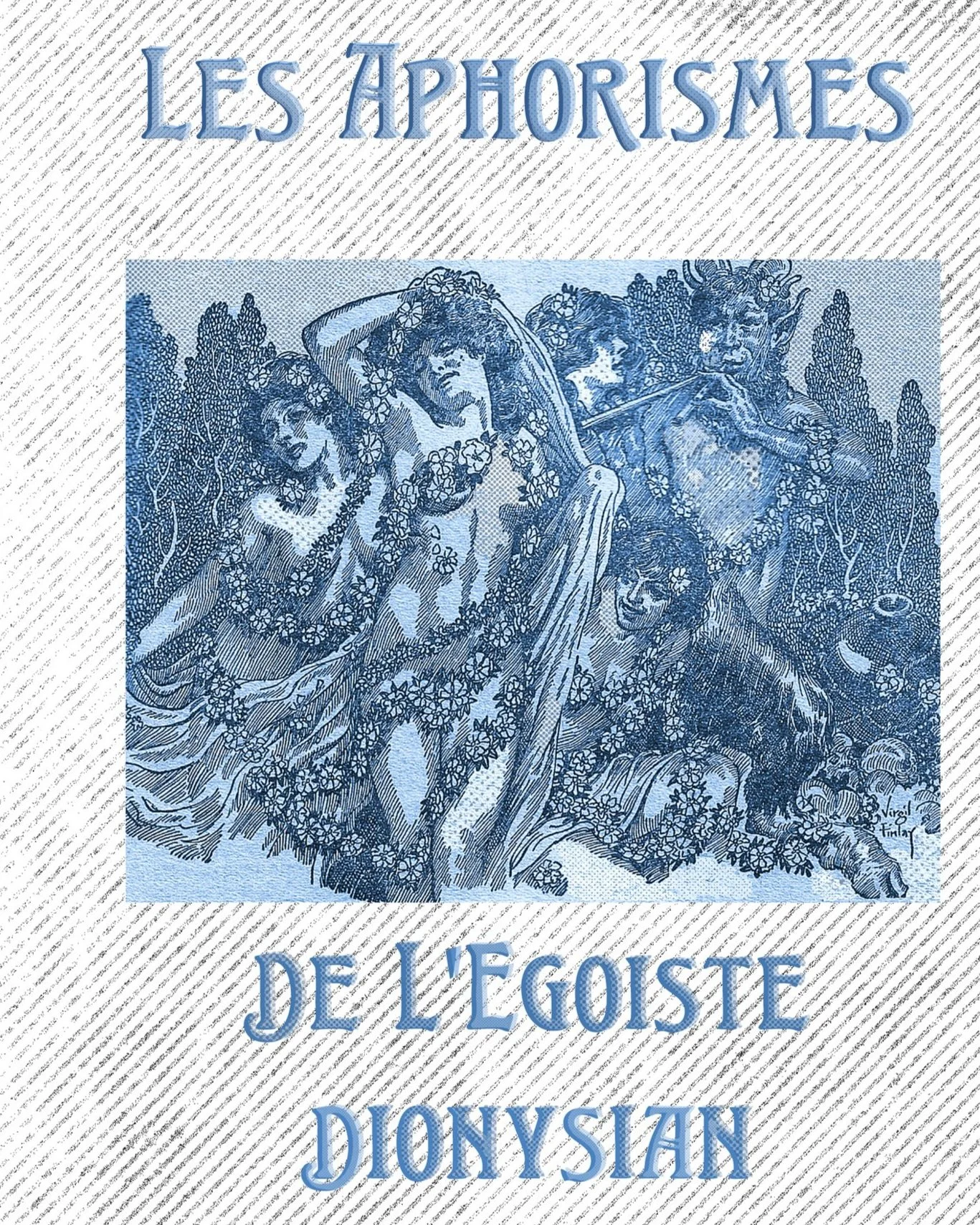
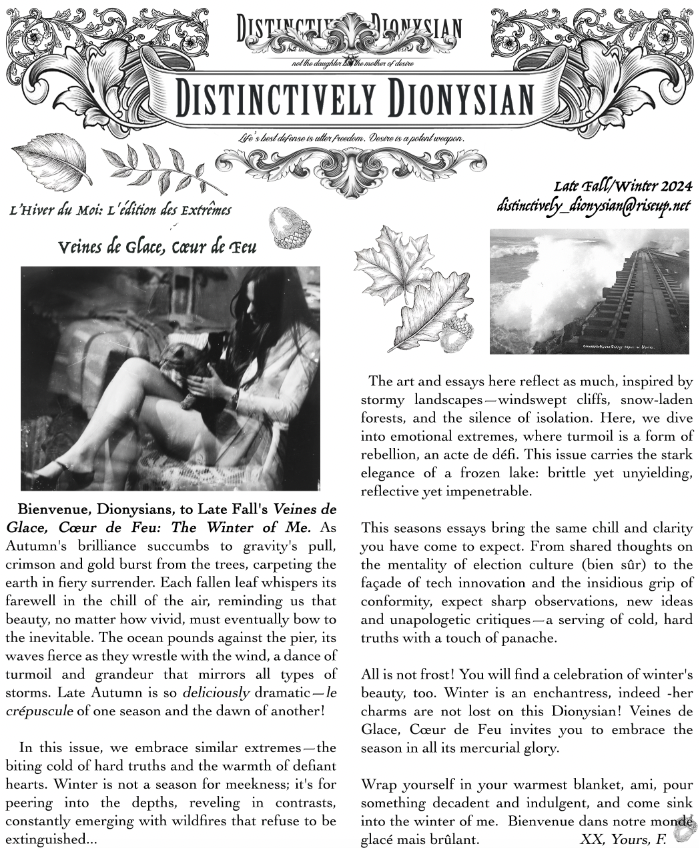
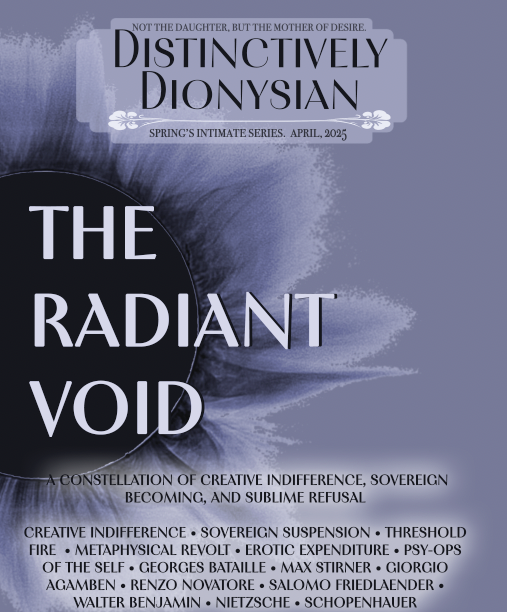
Distinctively Dionysian, edited by Fíona Vivienne, is a journal of feral thought and sovereign delight. It exists because it cannot resist the pleasure of being made. Written for no audience, no movement, no collective, only for the intoxication of shaping a world that breathes in her cadence, with occasional contributions that arrive by affinity alone. Those who enter do so without summons. Friends, strangers, occasional accomplices whose sensibilities brush, briefly, against hers.
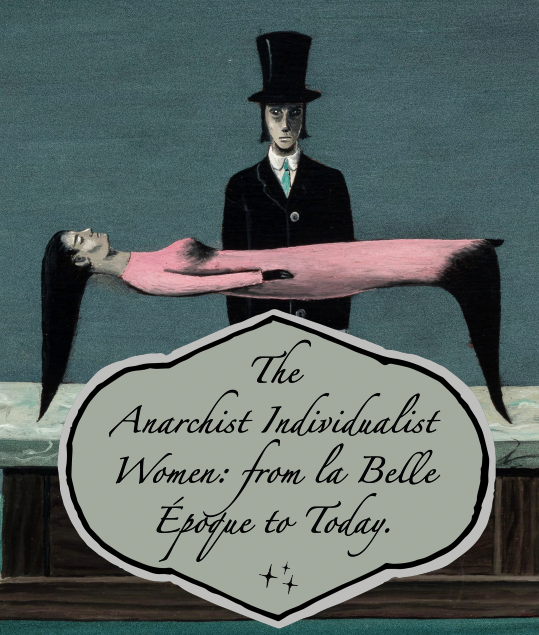
It is explicitly égoïste–individualiste, shaped by a lineage in which women have been nearly erased. Distinctively Dionysian enters that absence without apology, not to amend it, but to inhabit it with a presence that refuses domestication. What appears here carries that fire while remaining entirely its own. Mediocrity dissolves on contact. Conformity does not take root. Moralism, especially in its puritanical forms, is left without voice. What remains: lucidité, excess, an égoïste presence that does not seek permission. Within, nouvelle écriture, the arts, and figures mislaid or misread; lost anarchistes, poètes maudits, and other revenants drawn from the margins.
Issues emerge seasonally, though their rhythm answers only to pleasure. Never when summoned. Some seasons yield one; others arrive in multiplicity.
Dionysian is neither forum nor refuge. It is a terrain for the ungovernable, for those who recognize themselves in shadow, in scent, in the tremor before form. A love note, perhaps, to those who unmake idols and savor intensity as a form of sovereignty.
If you move through the world as l’Étranger, resistant to Authority and its obedient echoes, then perhaps it should accompany you, for a time.

Dancing In The Backwoods
⸻ ✧ ⸻
an ongoing series of refusal
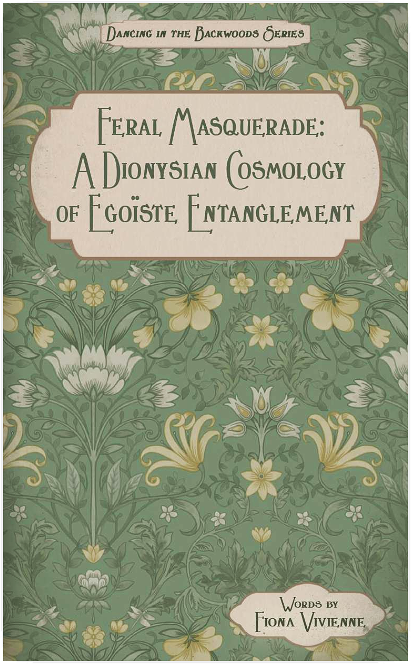
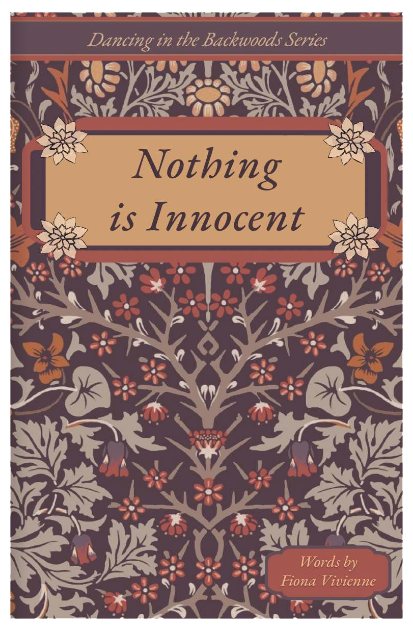
Dancing in the Backwoods is a six-part series of books written from the terrain of an individualiste life: Dionysian cosmology, sensual refusal, forested life, death, motherhood, collapse, et egoïste desertion. An interiority formed long ago and held intact.
The series grew from years of encounter with a loose constellation of writings and voices: Backwoods Journal, Bellamy Fitzpatrick, Élisée Reclus, Jean-Jacques Rousseau, Fredy Perlman, Michel Serres, Henri Zisly, Lewis Mumford, John Zerzan, et others approached from afar. Not as canon, but constellation. Not debate, nor doctrine, but a dance beside them: une chorégraphie de solitude partagée.
This is the trace of one woman living otherwise, without legacy, without innocence.
Each volume traces gestures rather than arguments. A life turned toward desire, decay, presence, the textures of collapse. Neither manifesto nor method, the series moves through a language of refusal, solitude, embodied nearness. It belongs to no school and offers no doctrine. What takes form instead is a cosmology, an untamed continuity between rot and vitality, death and desire, matter and meaning.
This series extends the atmosphere of Distinctively Dionysian and Madame Simone, where individualist presence, égoïste eroticism, and the refusal of legibility take form. In this series, that movement settles into longer gestures. Philosophy as artifact. A dance with rot in its hair, composed within the ruins of what once demanded obedience.
Ce qui demeure ici n’est pas doctrine mais trace.
Book I ~ The Feral Masquerade: A Dionysian Cosmology of Egoïste Entanglement: a descent into myth and entanglement.
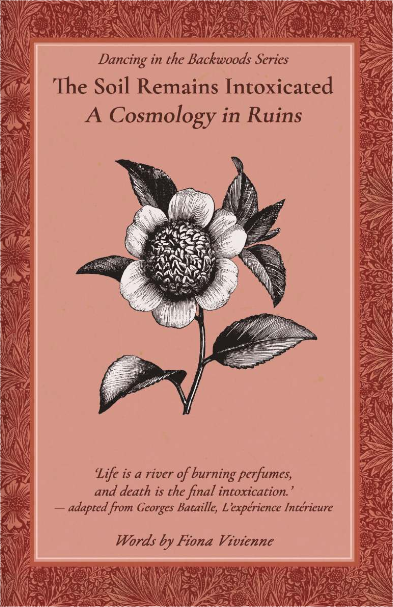
Book II ~ The Soil Remains Intoxicated: A Cosmology in Ruins,: written from within fertile ruin.
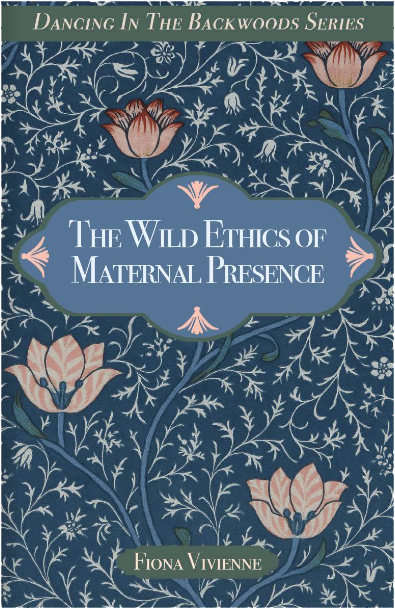
Book III ~ The Wild Ethics of Maternal Presence: on exposure, proximity, and trace.
Book IV~ Nothing Is Innocent: a treatise on rot, refusal, and sensory consequence
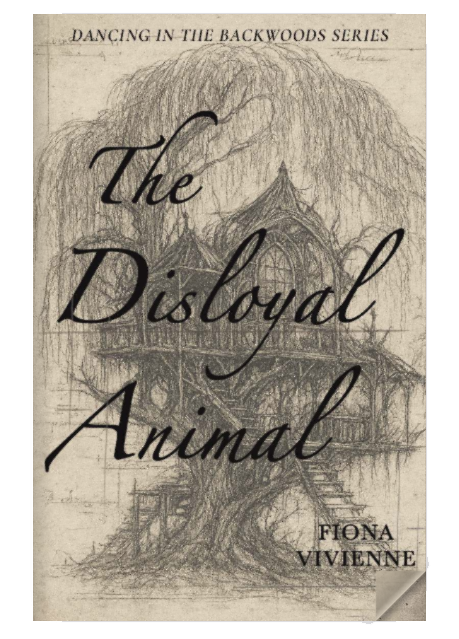
Book V ~ The Disloyal Animal: on treachery and the refusal to remain legible, with the quiet architectures of domestication exposed.
Book VI ~ No Kingdom Comes: On Blasphemy and the End of Empire: on empire, revelation, and the end of salvation with power and piety unmasked, and dismantled without mercy. L’Empire nu sous ses derniers dieux.
Originally in French, the second press run, in English, has been sent out. Our third run, happening now, makes them available as a set, Summer 2026.
Visit the bookshop for summaries, tables of contents, and individual volumes. Additional books in the series appear Summer 2026, bringing in another Bacchus talent, Marina St. James.


Created by Apio Ludd / Wolfi Landstreicher, My Own is a small-format journal of egoïste anarchist writing, where literature, analysis, and lived refusal converge without mediation. Its axis is simple and unyielding. Self-ownership. Self-creation. Against all authority. And now, all issues are here on Bacchus Editions.
My Own moves without ideology or program. He rejects abstraction in all its familiar disguises, God, Humanity, Progress, the social good, and returns instead to the individual as the only ground from which revolt can take form. Not as identity, but as lived force. This journal remains inseparable from the life behind it, a direct expression, without distance or translation, sans médiation.
The writings move between essay, fable, critique, and reflection. Anarchism not as movement, but as life practiced outside obedience. The outlaw, not the activist. The egoïste not as theory, but as one who refuses to make their life available to systems of management, morality, or exchange, hors de toute capture.
This is not a posture. The life behind these pages is lived to its furthest edge, without compromise, without appeal. What takes form here carries that precision, une rigueur vécue.
Once, these writings circulated quietly, passed among friends and acquaintances, informal, direct, unconcerned with audience. A discreet circulation, entre affinités. As keeper of Wolfi’s archive, with his full permission, Bacchus Editions has reprinted the original issues in their entirety, preserving their form while extending their reach. It’s simply too good not to.
There is no appeal to market logic, no faith in collective solutions, and no interest in reform in this gem. What persists instead is a call toward insurrection at the level of the individual life, where relationships, actions, and desires are reclaimed from every form of domination and conformity enforcement, dans un refus sans appel.
All proceeds go directly to the vagabond himself. Issues that move through Bacchus return directly to him, to his life in the woods where his play continues to emerge, une vie à part, irréductible.
My Own does not gather readers into agreement. It does not persuade. It cuts, et ne s’excuse pas.