Translating
Salomo Friedlaender
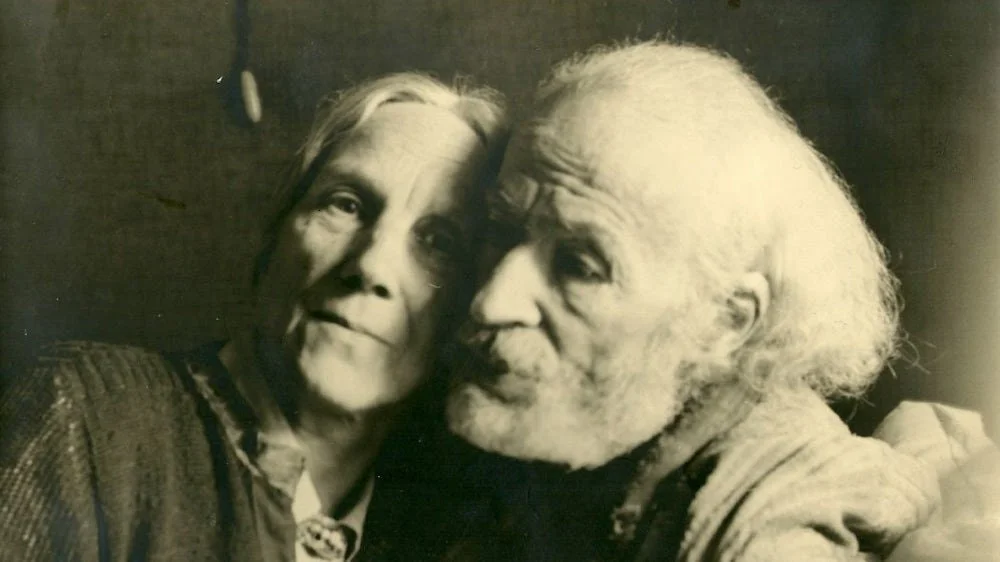
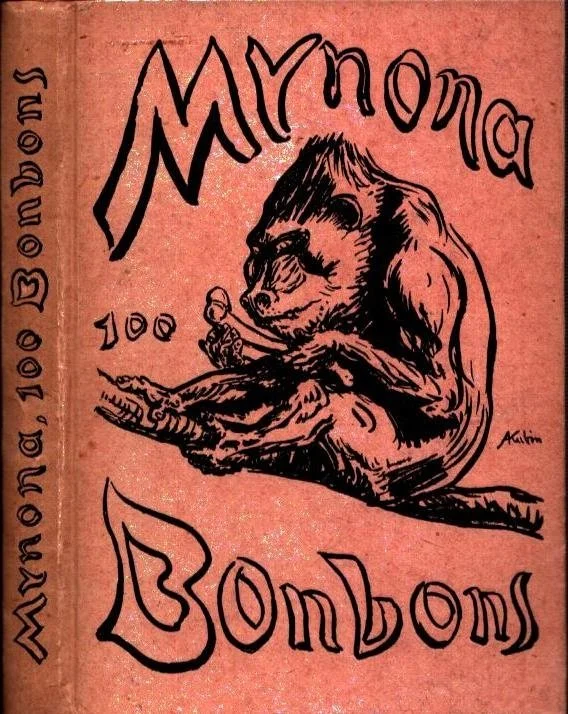
Salomo Friedlaender moved through early twentieth-century Berlin with a mind that refused to behave. He wrote philosophy, satire, grotesques, and fragments that twist and unsettle. Under the name Mynona, he published peculiar and sharp literary pieces that slip between humor and something much colder, much more exact. Later, in exile in Paris, his writing turned further inward, less concerned with his audience, and less interested in arriving anywhere that could be recognized.
He never built a system, or founded a school of thought, there is doctrine here to inherit, no positions to adopt. What he left instead is a way of thinking that kept undoing its own footing just as it formed. At the center of this is what he called creative indifference, written about extensively in Distinctively Dionysian and various zine via the same outfit. Creative Indifference is not neutrality and it is not detachment. It’s far less polite. Creative indifference is a position where opposing forces are never reconciled; they’re not smoothed over or made useful. They remain active and press against each other without ever resolving.
For readers in English, most of Friedlaender’s philosophy and musings have been missing. Wakefield Press has done beautiful work bringing some of the Mynona literary texts into circulation, and there are scattered translations elsewhere. But the philosophical writings themselves, the ones where this thinking unfolded most directly, remains largely out of reach. What does appear tends to be fragments, excerpts, and curated selections. Glimpses.
Bacchus Editions is working with three texts: Schöpferische Indifferenz, the writings and archives that make up Das magische Ich, and Ideenmagie. Schöpferische Indifferenz was published during his lifetime, and you can feel that it was shaped, placed, and held together, even as it resists closure. Das magische Ich never existed as a finished book. It comes from notebooks, drafts, and loose pages from his later years that were gathered only after his death into the form it now has. Ideenmagie sits somewhere between both. It is less fixed, more volatile, and slips out of any stable frame.
What runs through all of them is not a set of ideas to agree with, it a consistent break and pressure. The writings together are a total refusal to let his thoughts settle into something usable and obedient. His writing always turns, reverses, and doubles back. It’s very style resists being pinned down. And that resistance is not an accident.. it is the condition that kept it from being absorbed.
That matters to us.Not as preservation, not as recovery, and certainly not as academic completion. There is no interest here in stabilizing Friedlaender, or in translating him into clarity so he can be filed and understood. Our interest is in carrying that instability across and letting the tension he intended, remain.
Excerpts, fragments, and translation notes will gather here as our translation continues.
✶ · · ☾ · · ✶