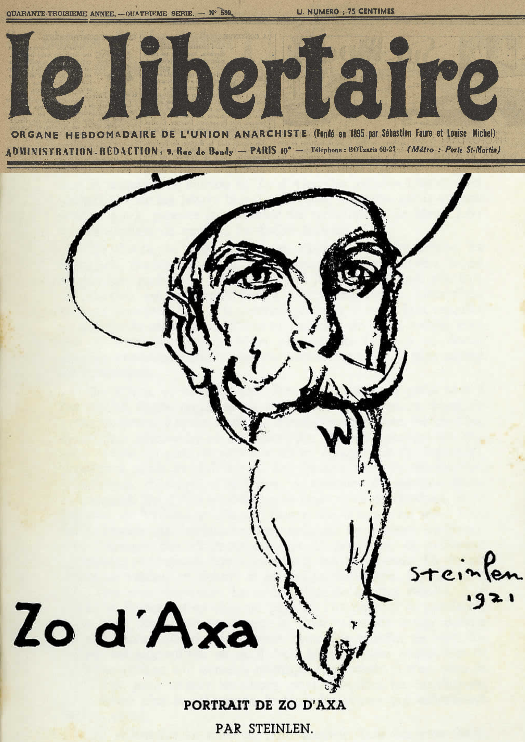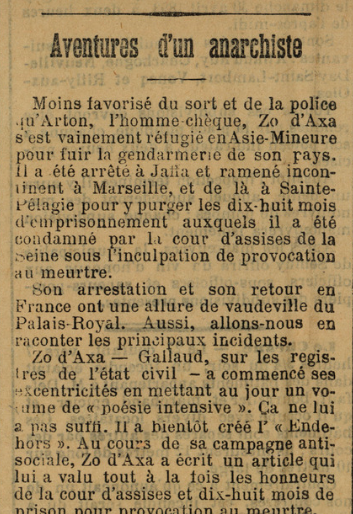

Zo d’Axa / Béatrice Arnac

About This Project:
At present, one of the largest archival and translation undertakings underway concerns the complete recovery and translation of the writings of Zo d’Axa through the forthcoming volume Zo d’Axa: The Complete Writings: Journalism, Vagabondage, Revolt, et Theatrical Insurrection alongside the English edition of Béatrice Arnac’s extraordinary book devoted to her grandfather’s life and world, appearing through Bacchus Editions as Intimate Shadows: Béatrice Arnac on Zo d’Axa: A Rare Familial Portrait of the Fin-de-Siècle Vagabond.
The Zo d’Axa project is not limited to selected essays, isolated fragments, or a partial anthology. The aim is the translation of the entirety of Zo d’Axa’s known writings: newspapers, chronicles, manifestos, caricatures, fugitive pamphlets, prison writings, feuilletons, correspondence, et the vast constellation of texts surrounding L’Endehors, La Feuille, anti-militarist agitation, vagabondage, fin-de-siècle journalism, anarchist print culture, theatrical scandal, exile, and boulevard satire.
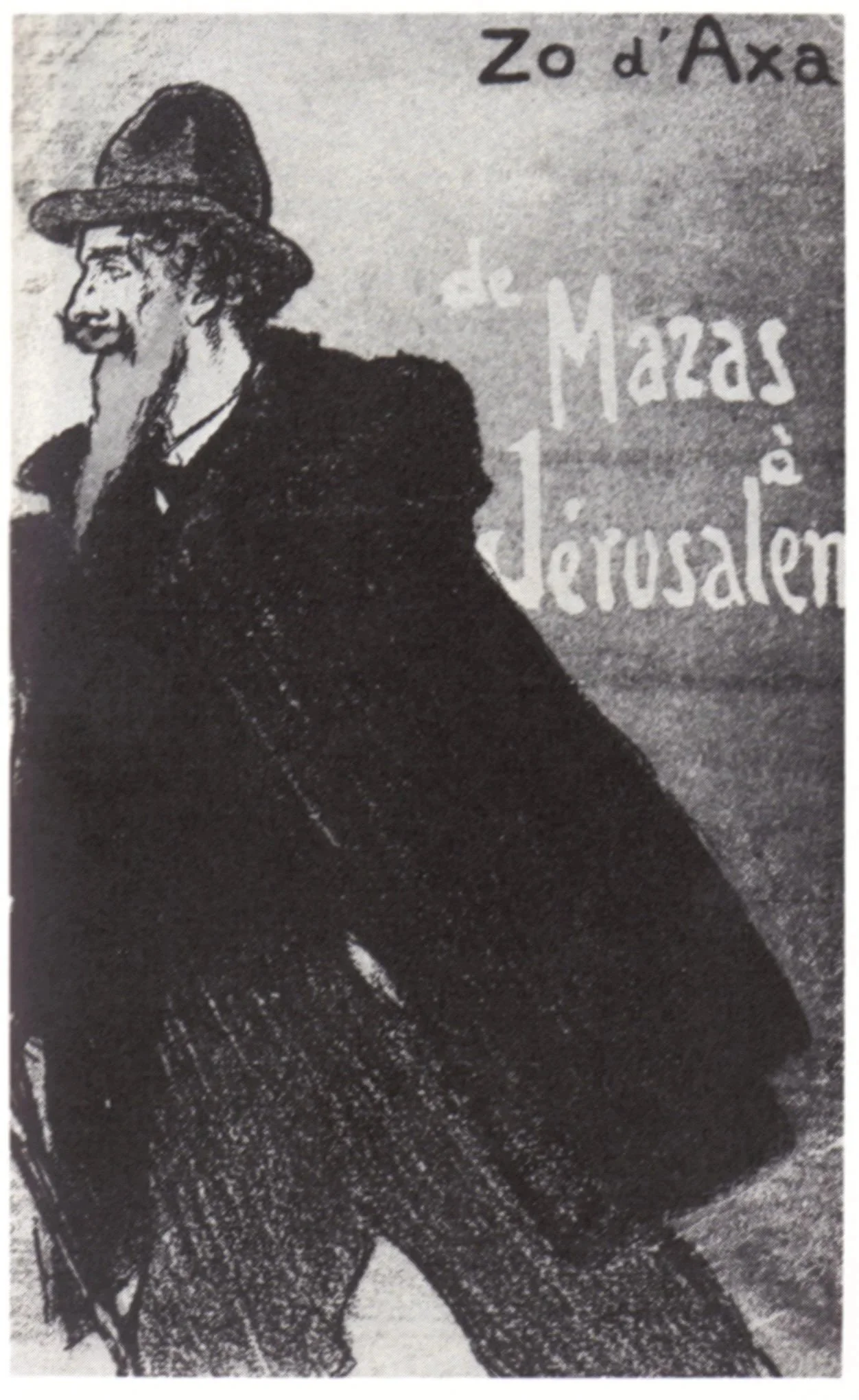
Almost none of Zo d’Axa’s writings presently exist in English. Outside a handful of isolated texts, his work remains buried within the sprawling and fragmented landscape of French fin-de-siècle print culture. Gratitude is due to Jean Weir for first placing Zo d’Axa’s writings into Wolfi Landstreicher’s hands, to Wolfi for undertaking the earliest English translations, and to Black Powder Press for publishing From Mazas to Jerusalem: An Anarchist Outsider on the Run, which introduced many English-speaking readers to Zo’s voice for the first time. Later contributions by Vincent and Bill helped preserve and extend access to additional fragments, but the larger body of Zo d’Axa’s work has remained overwhelmingly unavailable to English-language readers.
What makes this undertaking especially significant is that Zo d’Axa has rarely been encountered intact in the English-speaking world. Readers have generally only seen detached aphorisms, brief translated fragments, isolated anti-electoral texts, or excerpts severed from the larger atmosphere surrounding them. Yet taken together, the writings reveal something far stranger and more singular: a continuous voice moving across symbolic repetition, theatrical attack, hatred of patriotic hypnosis, hostility toward spectacle and mass suggestion, fascination with fugitives and deserters, proto-media critique, savage satire, et moments of startling tenderness concealed beneath venom and irony.
Historically, the work occupies a volatile terrain between Symbolism, Decadence, anarchist journalism, proto-Dada, cabaret culture, egoist individualism, anti-colonial critique, et underground print culture without belonging fully to any single category. A proper translation therefore becomes more than literary recovery alone. It is simultaneously a restoration of avant-garde history, anarchist history, media critique, anti-militarist writing, et the broader forgotten ecology of insurgent fin-de-siècle publishing.
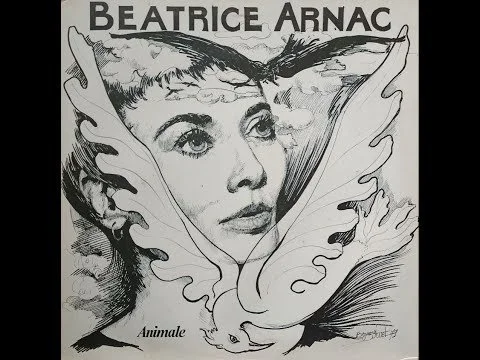
Alongside these translations, Bacchus Editions is preparing the English edition of Béatrice Arnac’s book on Zo d’Axa, a work unlike any other written on him. Written by his granddaughter, Arnac’s study offers a rare view of Zo d’Axa from within his own familial orbit, moving neither as academic biography nor ideological rehabilitation. It carries instead the atmosphere of familial memory, artistic proximity, anecdote, temperament, gesture, disappearance, et the volatile human world surrounding Zo d’Axa across journalism, scandal, wandering, performance, exile, and fin-de-siècle artistic life. Rather than reducing him into doctrine or literary relic, the book preserves the unstable presence of the man himself: contradictory, theatrical, elusive, impossible to fully domesticate within official history.
Arnac’s own life and artistic world continue to resonate deeply with ongoing Bacchus Editions projects beyond the Zo d’Axa translations themselves, including the forthcoming volume The Criminal Grace of Dancing: Isadora Duncan, Valeska Gert, Mata Hari, Béatrice Arnac, Lavinia Schulz, et the Performing Body Through Nietzsche, Mallarmé, and Genet, a philosophical and cultural exploration of dance, theatricality, gesture, et the unruly performing body moving across decadence, revolt, symbolism, performance, and Dionysian self-creation.
The work carries a certain personal closeness as well. One member of Bacchus Editions spent time with Béatrice Arnac during her later years, having a grand-mère who danced with her long ago, a small and unexpected continuity surviving beneath the official record. Arnac herself passed away in 2020.
These are slow projects. They require reconstruction as much as translation: locating dispersed materials, comparing editions, tracing missing publications, restoring damaged texts, et carrying across a voice that resisted stabilization even in its own time.
This ‘portal’ will gather translated excerpts, archival notes, publication timelines, rare materials, reconstruction work, and ongoing developments surrounding both projects as the translations and recoveries continue to unfold.
Archive Discoveries

One of the great pleasures of archival work is that it never truly ends.
Just when a subject seems exhausted, another thread appears: a forgotten newspaper, a passing mention, an obscure review, a photograph, a letter, a police report, an advertisement, a scrap of gossip preserved by chance.
This section gathers those discoveries as they surface. Some are substantial finds. Others are brief glimpses. Together they help illuminate the people, publications, friendships, conflicts, and accidents that surrounded the worlds explored through these translation projects.
Below, you can select a discovery and dive right in. Enjoy!
Translation note: Unless otherwise noted, all French-language materials presented in Archive Discoveries are translated by Fíona Vivienne for Bacchus Editions. (All German-language materials in other ‘translation portals’ are translated by Fíona and Marina St. James. Other language materials throughout the site and books are translated by Bacchus Editions and friends of Bacchus.)