 Image 1 of 1
DIGITAL DOWNLOAD, FREE.
The views held by Kaneko Fumiko were remarkable for a young woman of her time. She was hardly twenty, had a limited education, and had grown up in an atmosphere in which patriotism and loyalty to the emperor were viewed as the moral core of Japanese life. Not only is it remarkable that she formulated such a heretical social and political philosophy, but her refusal to grovel before the authorities is even more extraordinary. She refused to cower before the prosecutors and judges, and she expressed her views candidly, courageously, and decisively.
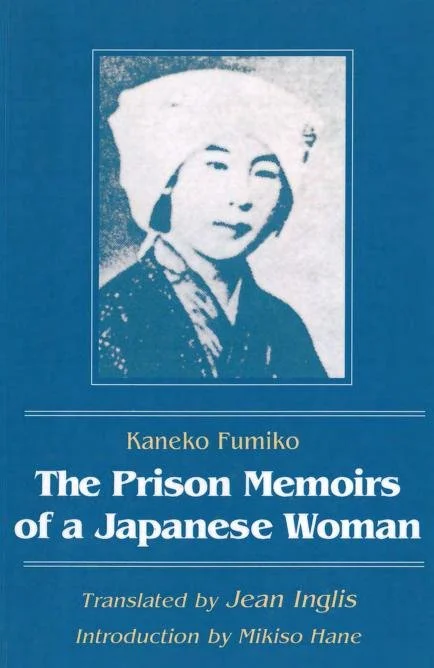
Kaneko Fumiko (1903-1926) wrote this memoir while in prison after being convicted of plotting to assassinate the Japanese emperor. Despite an early life of misery, deprivation, and hardship, she grew up to be a strong and independent young woman. When she moved to Tokyo in 1920, she gravitated to left-wing groups and eventually joined with the Korean nihilist Pak Yeol to form a two-person nihilist organization. Two days after the Great Tokyo Earthquake, in a general wave of anti-leftist and anti-Korean hysteria, the authorities arrested the pair and charged them with high treason. Defiant to the end (she hanged herself in prison on July 23, 1926), Kaneko Fumiko wrote this memoir as an indictment of the society that oppressed her, the family that abused and neglected her, and the imperial system that drove her to her death.
DIGITAL DOWNLOAD, FREE.
The views held by Kaneko Fumiko were remarkable for a young woman of her time. She was hardly twenty, had a limited education, and had grown up in an atmosphere in which patriotism and loyalty to the emperor were viewed as the moral core of Japanese life. Not only is it remarkable that she formulated such a heretical social and political philosophy, but her refusal to grovel before the authorities is even more extraordinary. She refused to cower before the prosecutors and judges, and she expressed her views candidly, courageously, and decisively.
Kaneko Fumiko (1903-1926) wrote this memoir while in prison after being convicted of plotting to assassinate the Japanese emperor. Despite an early life of misery, deprivation, and hardship, she grew up to be a strong and independent young woman. When she moved to Tokyo in 1920, she gravitated to left-wing groups and eventually joined with the Korean nihilist Pak Yeol to form a two-person nihilist organization. Two days after the Great Tokyo Earthquake, in a general wave of anti-leftist and anti-Korean hysteria, the authorities arrested the pair and charged them with high treason. Defiant to the end (she hanged herself in prison on July 23, 1926), Kaneko Fumiko wrote this memoir as an indictment of the society that oppressed her, the family that abused and neglected her, and the imperial system that drove her to her death.